
Islamic News in Education: New Curriculum Reforms in Muslim Nations
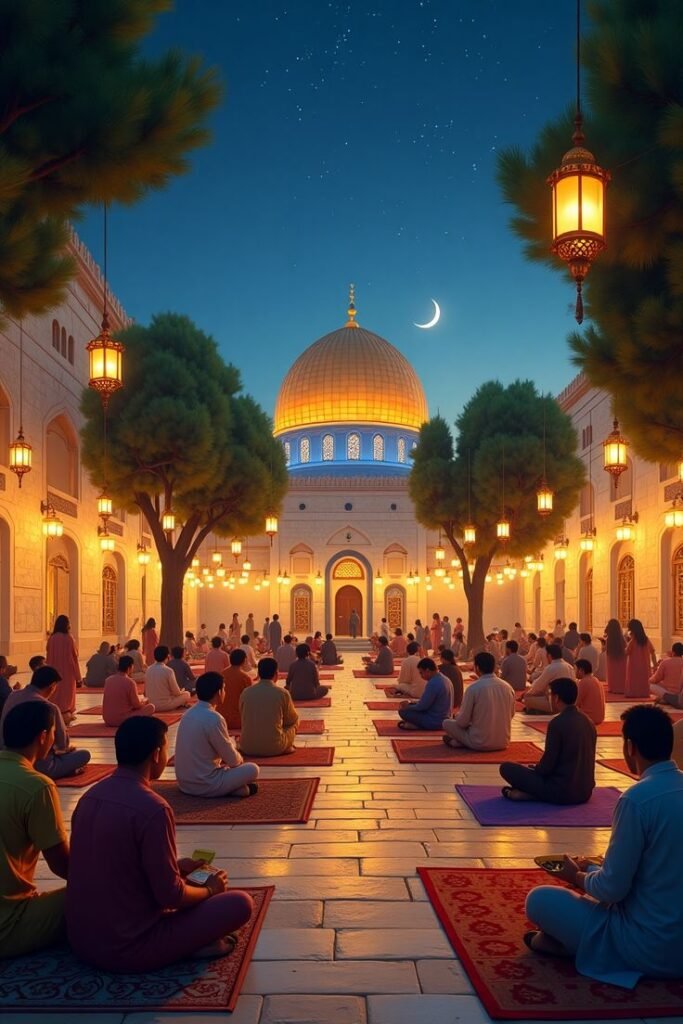
In recent years, Islamic News has highlighted transformative shifts in education across Muslim nations. These changes represent not only a reimagining of academic content but also a profound reaffirmation of faith and identity. For millions who cherish Islam, understanding these reforms is essential. This article delves deep into the evolving world of Islamic education, offering fresh Islamic Information and powerful insights about the intersection of faith, history, and learning.
What Is Islam and Its Role in Education?
Islamic News often emphasizes that education within Islam is sacred. The Prophet Muhammad (peace be upon him) called knowledge a “light,” illuminating the path to truth. As the famous hadith states, “Seeking knowledge is an obligation upon every Muslim.” Therefore, integrating Islamic teachings in modern education helps students align worldly learning with eternal values.
The Urgency Behind New Curriculum Reforms in Muslim Nations
The contemporary wave of curriculum reforms stems from the urgent need to balance tradition with progress. Many Muslim nations have long relied on classical curricula emphasizing rote memorization of religious texts. However, this approach sometimes failed to equip students for the demands of the modern world.
According to recent Islamic News, governments and educational bodies now strive to create holistic curricula that merge spiritual education with sciences, humanities, and technology. These reforms are intended to produce scholars who are not only versed in Islamic History but are also innovators and thinkers equipped for the 21st century.
Integrating Islamic Hijri and Islamic New Year into School Calendars
One notable reform is the formal recognition and inclusion of the Islamic Hijri calendar in academic schedules. The Hijri calendar marks years since the Prophet’s migration (Hijrah) from Mecca to Medina in 622 CE, a foundational event in Islamic History.
This integration serves several purposes:
- It nurtures awareness of Islamic New Year celebrations among students.
- It strengthens spiritual identity by linking academic life to sacred time cycles.
- It highlights important dates such as Eid festivals and commemorations.
By embedding the Hijri calendar in schools, educators foster a deeper connection to faith alongside secular studies.
What Is Eid? Celebrating Joy and Unity in Schools
An essential element of the new curriculum reforms is educating students about what Eid is—the joyous festivals marking key religious occasions.
- Eid al-Fitr marks the end of Ramadan, the holy month of fasting.
- Eid al-Adha commemorates Prophet Ibrahim’s (Abraham’s) willingness to sacrifice in obedience to Allah.
Schools are introducing lessons on the spiritual significance of these celebrations, promoting unity, gratitude, and charity. Through this, students learn that Eid is more than a festivity—it is a manifestation of obedience, sacrifice, and communal harmony.
What Is Roza and Salah? Core Practices in Daily Life
The new curricula place a strong emphasis on teaching practical aspects of the Islamic religion, such as what is Roza (fasting) and Salah (prayer). These practices are pillars of personal discipline and spiritual growth.
- Roza is observed primarily during Ramadan, cultivating self-restraint and empathy for the less fortunate.
- Salah involves five daily prayers that punctuate a Muslim’s day, grounding life in remembrance of Allah.
Teaching these rituals with depth and emotional resonance enables students to internalize their profound significance beyond mere obligation.
Rediscovering Islamic History Through Education
No curriculum is complete without a vivid recounting of Islamic History—a tapestry woven with faith, resilience, and enlightenment.
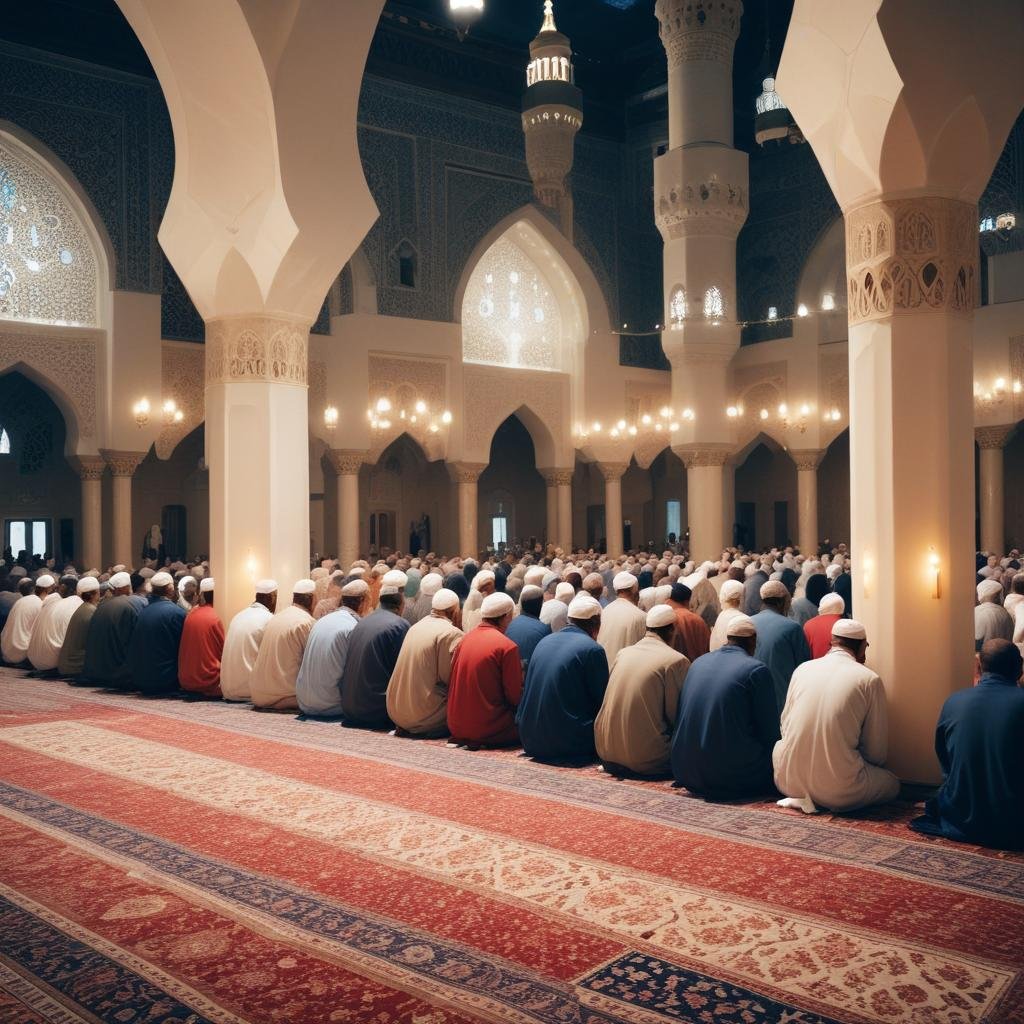
The new educational reforms emphasize:
- The era of the Prophet Muhammad and the establishment of the first Muslim community.
- The subsequent Hijri periods of the Rightly Guided Caliphs and the rise of the Caliphates.
- The flourishing of the Islamic Golden Age highlighted contributions to science, art, philosophy, and literature.
- The diverse stories of Muslim civilizations across continents.
Through this immersive approach, students develop pride in their heritage, nurturing a sense of responsibility to carry forward Islam’s luminous legacy.
The Role of Islamic News in Shaping Educational Discourse
Islamic News outlets play a pivotal role in broadcasting the developments in curriculum reforms. They provide the public with timely updates, expert analyses, and community perspectives. These channels foster dialogue between policymakers, scholars, educators, and families, ensuring the reforms resonate with communal needs and aspirations.
By spotlighting successes and challenges, Islamic News acts as a catalyst for continual improvement and awareness.
Emotional and Spiritual Impact on Students
These reforms are not merely academic; they carry deep emotional and spiritual weight. Students often report feeling a renewed sense of belonging and spiritual awakening when their curriculum reflects their faith authentically. This connection fuels hope, purpose, and the courage to face future challenges.
Parents and teachers, too, experience joy witnessing children embrace their identity with confidence and clarity.
Powerful Words About My Islam: Identity, Faith, and Renewal
The phrase “My Islam” symbolizes personal ownership of faith, beyond rituals or cultural trappings. It is a declaration of deep conviction and heartfelt commitment.
Curriculum reforms encourage students to explore My Islam as:
- A source of strength in adversity.
- A foundation for ethical behavior.
- A beacon guiding intellectual curiosity and creative expression.
This personalized approach transforms education from mere instruction into a life-changing revelation.
Challenges and Opportunities in Implementing Reforms
No significant change comes without hurdles. Reformers face challenges such as:
- Balancing modern sciences with traditional religious studies.
- Addressing varying levels of teacher training and resource availability.
- Overcoming resistance rooted in misconceptions about modernization diluting faith.
However, these challenges open opportunities to innovate teaching methods, utilize technology, and foster inclusive dialogue. The ultimate goal remains clear: empower youth to be faithful, knowledgeable, and active contributors to society.
A Dynamic Islamic Educational Landscape
Looking ahead, the evolving landscape of Islamic education promises to be dynamic and inspiring. The integration of new subjects, interactive learning, and faith-based values prepares students to thrive spiritually and intellectually.
Islamic News continues to monitor these developments, ensuring communities stay informed and engaged. As Muslim nations embrace this transformation, they send a powerful message to the world: education and faith are inseparable pillars of progress.
Conclusion
This sweeping reform in Islamic education embodies a powerful fusion of tradition and modernity. It rekindles a deep reverence for Islamic History, enriches understanding of what the Islamic religion truly encompasses, and nurtures an enduring love for faith in young hearts.
Through Islamic News, communities witness this renaissance unfold—one curriculum at a time. These changes are a testament to Islam’s eternal relevance and its ability to inspire change with wisdom, compassion, and steadfastness.