
Iran News: Iran Foreign Policy and Regional Conflicts
Iran News plays a vital role in helping readers understand how Iran shapes events across the Middle East. Because foreign policy guides how a country deals with others, Iran’s choices affect security, trade, and diplomacy in many regions. Therefore, following these developments gives a clear view of current conflicts and future risks.
At the same time, Iran faces pressure from rivals and partners alike. While it seeks to protect its borders and interests, it also aims to expand its influence through alliances and strategy. As a result, regional conflicts often connect to Iran’s foreign policy decisions.
Understanding Iran’s Foreign Policy
Core Principles
Iran’s foreign policy is based on independence, security, and regional influence. Because the country has faced external pressure for decades, it values self-reliance. Therefore, it often resists outside control and builds its own strategies.
Strategic Depth
Iran seeks to create what analysts call “strategic depth.” This means building influence beyond its borders. As a result, it develops ties with neighboring countries and groups to strengthen its position.
Balance of Power
At the same time, Iran aims to balance against its rivals. While some countries align with Western powers, Iran often works with alternative partners. Therefore, global alignment plays a key role in shaping Iran News.
Key Drivers of Iran’s Foreign Policy
Security Concerns
Security remains the top priority. Because Iran has experienced war and threats, it focuses on defense and deterrence. Therefore, it invests in military capability and regional partnerships.
Ideological Influence
Iran’s political system includes religious elements. As a result, ideology influences its foreign relations. While this does not define every decision, it shapes long-term goals and alliances.
Economic Interests
Economic needs also guide policy. Because sanctions affect trade, Iran looks for new markets and partners. Therefore, economic diplomacy becomes an important tool.
Iran’s Role in Regional Conflicts
Syria Conflict
Iran supports the Syrian government. Because Syria is a key ally, Iran provides political and military support. As a result, it maintains influence in the Levant region.
Iraq Dynamics
In Iraq, Iran has strong ties with political groups and security forces. Therefore, it plays a major role in shaping Iraq’s internal balance. This involvement is often discussed in Iran News.
Yemen Situation
Iran is linked to groups in Yemen. While the level of support is debated, the conflict reflects broader regional rivalry. As a result, Yemen remains a key part of Middle East tensions.
Lebanon and Hezbollah
Iran supports Hezbollah in Lebanon. Because of this relationship, it holds influence near Israel’s border. Therefore, Lebanon becomes a strategic area in regional politics.
Iran and Major Regional Rivals
Iran and Saudi Arabia
Iran and Saudi Arabia compete for regional leadership. While they differ in political and religious views, they also compete for influence in key countries. Therefore, their rivalry affects many conflicts.
Iran and Israel
Iran and Israel remain strong adversaries. Israel views Iran’s regional presence as a threat, while Iran opposes Israeli policies. As a result, tensions remain high and appear frequently in Iran News.
Iran and Turkey
Iran and Turkey have both cooperation and competition. While they work together in some areas, they differ in others. Therefore, their relationship is complex and changing.
Relationship with Global Powers
United States
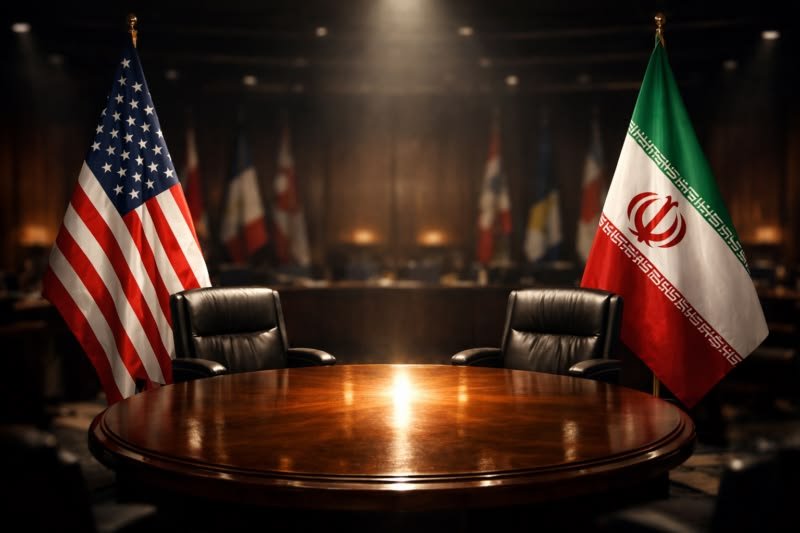
The relationship between Iran and the United States is tense. Because of sanctions and political disagreements, trust remains low. Therefore, negotiations are often difficult.
China
Iran has strengthened ties with China. Because China offers economic cooperation, Iran sees it as a key partner. As a result, trade and investment continue to grow.
Russia
Iran and Russia cooperate on security and regional issues. For example, both support the Syrian government. Therefore, their partnership influences regional balance.
Sanctions and Their Impact
Economic Pressure
Sanctions limit Iran’s access to global markets. Therefore, oil exports and banking systems face restrictions. As a result, economic growth slows.
Domestic Response
Iran focuses on local production to reduce dependence. While challenges remain, adaptation continues. Therefore, resilience becomes part of national policy.
Global Effects
Because Iran is an energy producer, sanctions affect global supply. As a result, oil prices may rise during tension periods.
Proxy Strategy and Influence
Use of Allied Groups
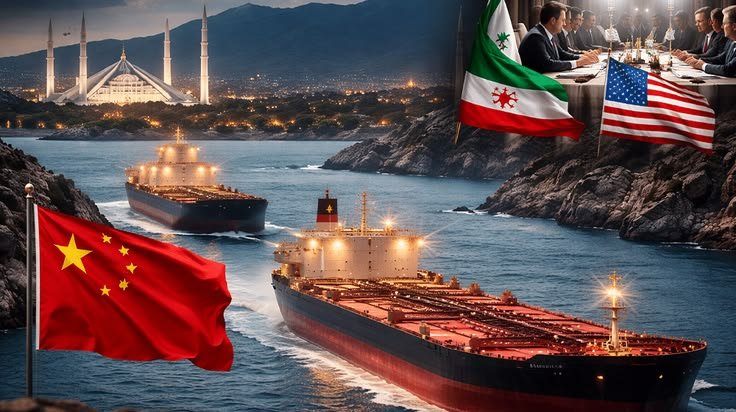
Iran supports allied groups across the region. Because of this, it can influence events without direct conflict. Therefore, its reach extends beyond its borders.
Strategic Advantage
This approach allows flexibility. While avoiding full war, Iran can still respond to threats. As a result, proxy strategy becomes a key feature in Iran News Today
Risks and Challenges
However, proxy conflicts increase instability. Therefore, they can lead to unintended escalation and humanitarian issues.
Iran News: Diplomacy and Negotiation Efforts
Nuclear Talks
Iran’s nuclear program remains central to diplomacy. While agreements have been made, challenges continue. Therefore, negotiations remain ongoing.
Regional Dialogue
Some countries aim to reduce tension through dialogue. As a result, talks between rivals have increased in recent years.
Barriers to Progress
Trust issues and political interests slow progress. However, diplomacy still offers hope. Therefore, efforts continue despite difficulties.
Media, Information, and Perception
Role of Media
Media shapes how people view conflicts. Therefore, Iran News coverage influences global understanding.
Different Narratives
Countries present different perspectives. While some focus on threats, others highlight cooperation. As a result, balanced reading is important.
Importance of Accuracy
Accurate reporting helps avoid confusion. Therefore, readers should follow trusted sources.
Humanitarian Impact of Conflicts
Civilian Suffering
Conflicts affect ordinary people the most. Therefore, many face displacement and loss of income.
Refugee Crisis
Wars create refugees who move to safer areas. As a result, neighboring countries face pressure.
Aid and Support
International organizations provide help. Therefore, humanitarian efforts remain essential.
Islamic Perspective on Foreign Policy
Justice and Responsibility
Islam emphasizes justice in leadership. Therefore, decisions should be fair and balanced.
Peaceful Solutions
Dialogue is encouraged over conflict. As a result, peaceful negotiation is preferred.
Protection of Life
Protecting human life is a core value. Therefore, avoiding harm to civilians is essential.
Future Outlook
Possibility of Change
Policies may evolve with new leadership and global shifts. Therefore, flexibility is important.
Risk of Escalation
Tensions remain high in some areas. As a result, careful management is needed to avoid conflict.
Hope for Stability
With continued diplomacy, stability is possible. Therefore, cooperation remains the best path forward.
Conclusion
Iran News provides deep insight into Iran’s foreign policy and its role in regional conflicts. Because Iran is a major player in the Middle East, its actions influence many countries. Therefore, understanding its strategies helps explain current global events.
Although challenges remain, diplomacy and cooperation offer hope for peace. With balanced policies and international support, the region can move toward stability. As a result, Iran News will continue to be an essential source for tracking these important developments.
About The Author
