
Stunning Iran News About Israel and Iran Strikes
The Middle East continues to be one of the most closely watched regions in global politics. Moreover, developments involving Israel and Iran often attract worldwide attention because both countries play major roles in regional security and diplomacy. Therefore, whenever reports emerge about military strikes, political responses, or diplomatic efforts, global audiences quickly seek reliable information. As a result, Iran News remains a highly searched topic among readers, analysts, and policymakers.
Understanding the Importance of Israel-Iran Relations
The relationship between Israel and Iran has become one of the most significant issues in modern Middle Eastern politics. Moreover, developments involving these countries often influence broader regional dynamics.
Although both nations have different political systems and strategic priorities, their interactions affect security discussions across the region. Therefore, international observers closely monitor changes in their relationship.
Because of this importance, Iran News frequently includes updates regarding diplomatic statements, security policies, and regional developments linked to Israel and Iran.
Historical Background of the Israel-Iran Relationship
Relations Before 1979
Before the Islamic Revolution of 1979, Iran and Israel maintained diplomatic relations. Furthermore, cooperation existed in several areas, including economic and strategic matters.
However, major political changes transformed Iran’s foreign policy after the revolution. Consequently, diplomatic ties ended, and relations gradually became more confrontational.
Political Changes After the Revolution
Following the establishment of the Islamic Republic, Iran adopted new regional policies. Meanwhile, Israel adjusted its strategic approach in response to changing regional conditions.
As a result, political disagreements expanded over time. Furthermore, security concerns and competing regional interests increased tensions.
Therefore, modern Iran News often references historical developments when discussing current events.
Why Israel and Iran Remain Strategic Rivals
Several factors contribute to ongoing tensions between Israel and Iran. While specific incidents often gain media attention, deeper strategic issues continue influencing relations.
Security Priorities
National security remains a primary concern for both countries. Therefore, governments carefully monitor developments that may affect their interests.
Moreover, defense planning, intelligence assessments, and military preparedness play important roles in shaping policy decisions.
Consequently, security considerations remain central to discussions involving Israel and Iran.
Regional Influence
Both countries seek to protect their interests and maintain influence within the Middle East.
Furthermore, each government develops relationships and partnerships that support broader strategic goals. As a result, competition sometimes emerges in regional affairs.
Because of these dynamics, Iran News frequently covers developments related to diplomacy, alliances, and regional cooperation.
Strategic Calculations
Governments often evaluate risks and opportunities before making foreign policy decisions.
Therefore, actions taken by either side can influence regional reactions and international responses.
As a result, strategic planning remains a key element of ongoing tensions.
Recent Israel and Iran Strike Developments
Growing International Attention
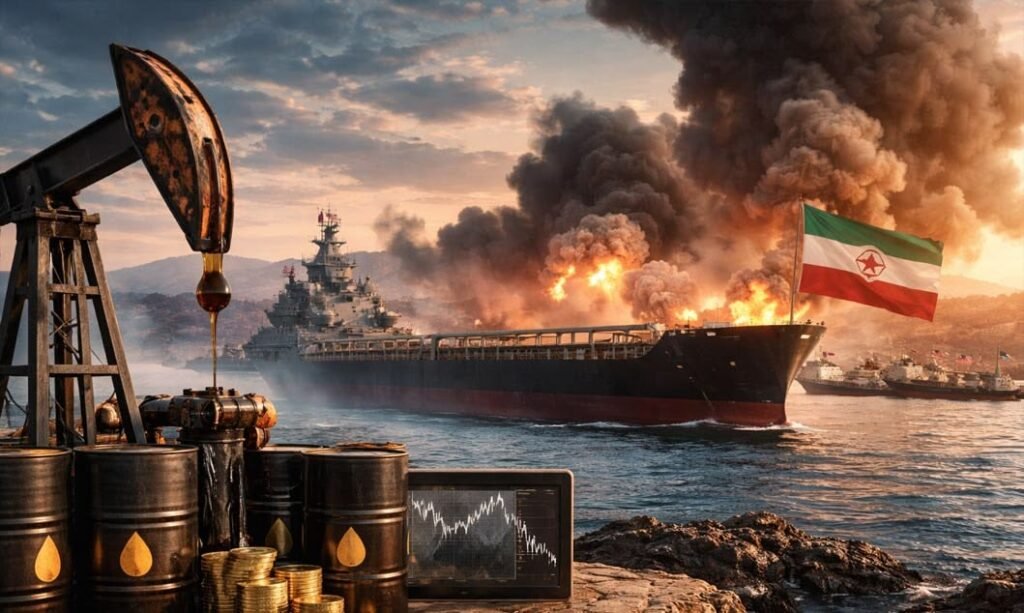
Reports involving strikes between Israel and Iran have attracted significant international attention. Moreover, such developments often raise concerns about regional stability and future security conditions.
Consequently, governments around the world closely monitor events and assess their potential impact.
Security Implications
Military-related incidents can influence diplomatic discussions and security planning.
Furthermore, governments often evaluate how such events may affect regional balances and strategic interests.
Therefore, developments linked to strikes frequently become major topics in Iran News coverage.
Responses from Regional Leaders
Regional leaders often respond through diplomatic statements, consultations, and security assessments.
Moreover, governments typically emphasize the importance of preventing wider instability.
As a result, diplomatic activity often increases following major developments.
The Regional Impact of Israel-Iran Tensions
Influence on Neighboring Countries
Neighboring states often pay close attention to developments involving Israel and Iran.
Furthermore, regional governments may adjust policies based on changing security conditions.
Consequently, tensions between the two countries can influence broader regional decision-making.
Diplomatic Reactions
Diplomatic responses often emerge from both regional and international actors.
Moreover, many governments encourage dialogue and restraint to reduce the risk of escalation.
Therefore, diplomatic engagement remains an important part of the regional response.
Security Considerations
Security concerns naturally increase during periods of heightened tension.
As a result, governments often strengthen monitoring and preparedness efforts.
Furthermore, security discussions frequently dominate policy conversations during uncertain periods.
The Role of Diplomacy in Preventing Escalation
Importance of Dialogue
Diplomatic communication remains one of the most effective tools for reducing tensions.
Moreover, dialogue allows governments to clarify positions and address concerns.
Therefore, diplomatic channels remain valuable even during difficult periods.
Confidence-Building Efforts
Confidence-building measures can help reduce misunderstandings and improve communication.
Examples include:
- Diplomatic consultations
- Security discussions
- Regional meetings
- Economic engagement
- Communication mechanisms
Consequently, these efforts may contribute to greater stability over time.
International Mediation
International actors sometimes support diplomatic initiatives designed to reduce tensions.
Furthermore, mediation can create opportunities for constructive engagement.
As a result, many governments continue supporting diplomatic solutions.
How Regional Security Is Affected
Military Readiness
Governments often review defense strategies during periods of uncertainty.
Moreover, military readiness helps address potential risks while supporting deterrence.
Therefore, defense planning remains an important aspect of regional security.
Strategic Deterrence
Many countries rely on deterrence strategies to prevent conflict.
Furthermore, deterrence can help maintain stability by discouraging escalation.
As a result, strategic calculations remain central to regional security policies.
Cybersecurity Concerns
Modern security challenges extend beyond traditional military activities.
Therefore, cybersecurity has become an increasingly important component of national defense.
Moreover, governments continue investing in digital security capabilities.
Economic Effects of Regional Tensions
Market Reactions
Financial markets often respond to major geopolitical developments.
Furthermore, uncertainty can influence investor confidence and economic expectations.
Consequently, economic analysts closely follow developments reported in Middle East News.
Trade and Commerce
Regional stability supports international trade and economic growth.
However, political tensions may create concerns regarding transportation and logistics.
Therefore, maintaining stability remains an important economic objective.
Energy Markets
The Middle East remains a major energy-producing region.
As a result, developments involving Israel and Iran often attract attention from energy market participants.
Moreover, energy security continues to be a significant global concern.
Conclusion
The ongoing attention surrounding Israel and Iran strikes reflects the importance of their relationship in shaping regional and international affairs. Moreover, security concerns, strategic competition, diplomatic efforts, and economic implications all contribute to the significance of these developments.
While tensions continue to create uncertainty, diplomacy remains an essential tool for reducing risks and supporting stability. Furthermore, regional and international actors continue encouraging dialogue, communication, and peaceful engagement.
About The Author
