
Historic Iran News: Middle East Conflict Unfolds
The Middle East is experiencing a historic moment as tensions escalate across multiple fronts, particularly involving Iran. Therefore, following Iran News is essential for understanding the unfolding situation, its regional implications, and global impact. The combination of political disputes, military maneuvers, and economic pressures has created an atmosphere of uncertainty and fear.
Moreover, these events are interlinked with decades of historical conflict, international diplomacy, and strategic interests. Because of this, a detailed, step-by-step analysis helps clarify the causes, developments, and potential consequences.
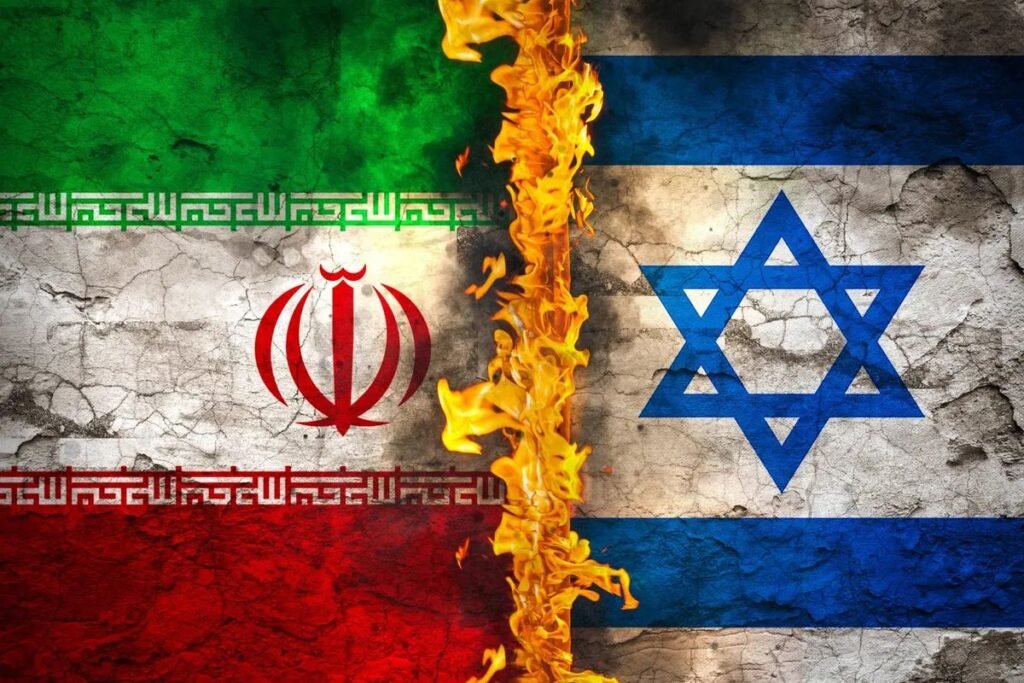
Why Iran Is Central to the Middle East Conflict
The Origins of Regional Tensions
The Middle East has long been a region of complex politics, religious diversity, and competing national interests. Therefore, Iran’s position as a major power in the region makes it central to many disputes. Iran News often emphasizes that historical grievances, ideological differences, and strategic ambitions shape the current conflict.
Decades of Proxy Wars
Iran has historically supported allied groups in Lebanon, Syria, Yemen, and Iraq, which often clash with rival powers. Consequently, proxy wars have become a common strategy, allowing Iran to influence the region without engaging in direct conflict.
Past Confrontations with Israel and the West
Tensions between Iran, Israel, and Western countries have persisted for decades. Therefore, previous military confrontations, economic sanctions, and diplomatic disagreements set the stage for current escalations. Iran News frequently analyzes these historical patterns to provide context for present events.
Recent Escalation: Why the Conflict Is Historic
Military Movements Across the Region
Recent weeks have seen increased military deployments, airstrikes, and missile tests. Therefore, regional powers are on high alert, and the risk of miscalculation is elevated. Iran News reports that these maneuvers signal preparation for potential confrontation.
Diplomatic Deadlock
International negotiations regarding Iran’s nuclear program and regional security have reached a standstill. Consequently, mistrust and frustration have intensified, making diplomatic solutions more difficult.
Public Messaging and Threats
Both Iran and its rivals have issued strong statements signaling resolve. Therefore, rhetoric is amplifying fear among civilians and international observers alike.
Iran’s Strategic Influence in the Middle East
Regional Alliances and Partnerships
Iran maintains strategic partnerships across Iraq, Syria, Lebanon, and Yemen. Therefore, its influence extends beyond national borders, affecting regional stability and the balance of power. Iran News highlights that these alliances are central to Iran’s strategy of deterrence and influence.
Military Readiness and Capabilities
Iran possesses advanced missile systems, drones, and defense technologies. Consequently, its military capabilities serve both defensive and strategic purposes, raising the stakes for any confrontation.
Nuclear Program Concerns
Iran’s nuclear ambitions remain a major concern for global powers. Therefore, the international community closely monitors inspections, compliance measures, and sanctions. Islamic World Updates underscores that any changes in nuclear policy could dramatically escalate the conflict.
Israel’s Role and Response
Defense Strategies
Israel has implemented advanced defensive measures, including missile defense systems and surveillance technologies. Therefore, it aims to safeguard its civilians while deterring potential Iranian aggression.
Regional Cooperation
Israel has strengthened ties with countries like Saudi Arabia and the UAE. Consequently, these alliances enhance strategic security and create a united front against Iran’s influence.
Intelligence Operations
Israel’s intelligence efforts focus on monitoring Iran and its allied groups. Therefore, preemptive operations and information gathering play a critical role in maintaining regional stability.
United States and Global Powers
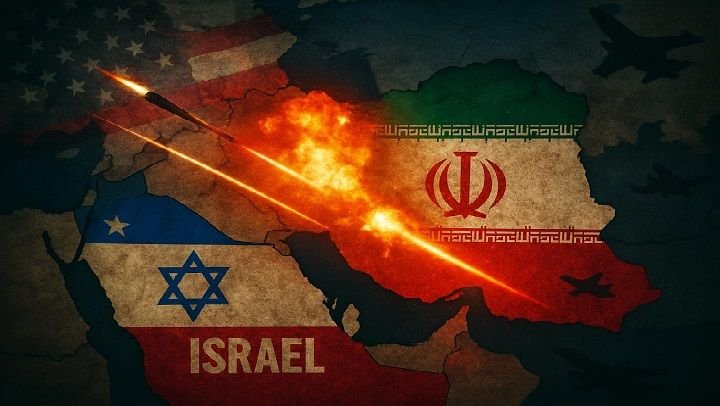
US Military and Diplomatic Actions
The United States remains deeply involved in the Middle East, providing military support to allies and monitoring Iran’s activities. Therefore, U.S. presence affects both deterrence and conflict escalation.
International Coordination
Global powers, including Europe and Russia, monitor and sometimes mediate regional disputes. Consequently, international diplomacy remains crucial to preventing confrontation.
Economic Sanctions
Sanctions imposed on Iran aim to limit its military capabilities and influence. Therefore, economic pressures contribute to the overall tension while influencing Iran’s strategic decisions.
Impact on Civilians and Society
Humanitarian Concerns
Civilians in conflict zones face displacement, insecurity, and limited access to essentials. Therefore, humanitarian organizations are working under challenging conditions to provide aid.
Economic Consequences
The conflict disrupts trade, raises energy prices, and affects regional investment. Consequently, these economic pressures exacerbate social instability.
Psychological Effects
Fear, uncertainty, and the threat of violence have significant psychological impacts on populations. Therefore, mental health concerns are rising across affected regions.
Media Coverage and Information Flow
Rapid Spread of News
Updates about the Middle East conflict circulate quickly through the media and social platforms. Therefore, accurate reporting is essential to prevent misinformation and panic. Iran News serves as a reliable source for verified developments.
Influence on Public Perception
Media shapes perception and influences policy decisions. Consequently, governments monitor narratives to manage both domestic and international responses.
Potential Scenarios for the Conflict
Scenario One: Limited Engagement
Small-scale skirmishes and proxy conflicts may continue without escalating into full-scale war. Therefore, localized tension can persist while avoiding widespread destruction.
Scenario Two: Regional Escalation
The conflict could spread to involve neighboring countries. Consequently, regional stability may be severely affected, increasing the risk of broader warfare.
Scenario Three: Direct Confrontation
The worst-case scenario involves a confrontation between Iran and Israel, possibly drawing in global powers. Therefore, military strikes, missile attacks, and cyber operations could result in significant casualties. Iran News highlights the global implications of such escalation.
Diplomatic Efforts and Peace Initiatives
Ongoing Negotiations
Despite tensions, diplomatic channels remain active. Therefore, discussions on nuclear compliance, conflict resolution, and regional security continue.
International Mediation
Organizations such as the United Nations facilitate dialogue and humanitarian support. Consequently, international mediation is critical to reduce escalation.
Lessons from History
Historical conflicts demonstrate the importance of patience, dialogue, and careful planning. Therefore, measured responses are key to avoiding unnecessary escalation. Iran News frequently provides historical insights to guide current understanding.
Importance of Staying Informed
Understanding Complex Dynamics
Following Iran News helps readers understand political, military, and economic developments in context. Therefore, it offers a comprehensive perspective on ongoing conflicts.
Reducing Fear and Misinformation
Reliable reporting prevents panic and false narratives. Consequently, informed citizens and policymakers can make strategic decisions, maintaining stability in both local and global contexts.
Conclusion
The Middle East conflict involving Iran represents a historic moment with far-reaching implications. Therefore, careful monitoring, strategic planning, and diplomacy are essential. Iran News shows that while tensions are high, opportunities for peaceful resolution still exist.
Moreover, civilians, regional actors, and international powers all influence the potential outcomes. Consequently, staying informed, supporting dialogue, and understanding the broader context are critical for preventing escalation. In conclusion, the unfolding events mark a pivotal moment in Middle East history, where decisions made today will shape the region’s future stability.