Empire Crypto: NFTs Explained – Ultimate Guide to Digital Wealth
By Empire Crypto
NFTs are unique digital assets stored on blockchain that prove ownership of items like art, music, and game items. They are non-fungible, meaning each token is one-of-a-kind and cannot be replaced. NFTs enable digital ownership, trading, and creator royalties. At their core, NFTs are reshaping digital value systems through innovation, with insights and updates from Empire Crypto helping users understand and navigate this evolving market.
What Are NFTs?
To truly understand what NFTs are, we need to break it down:
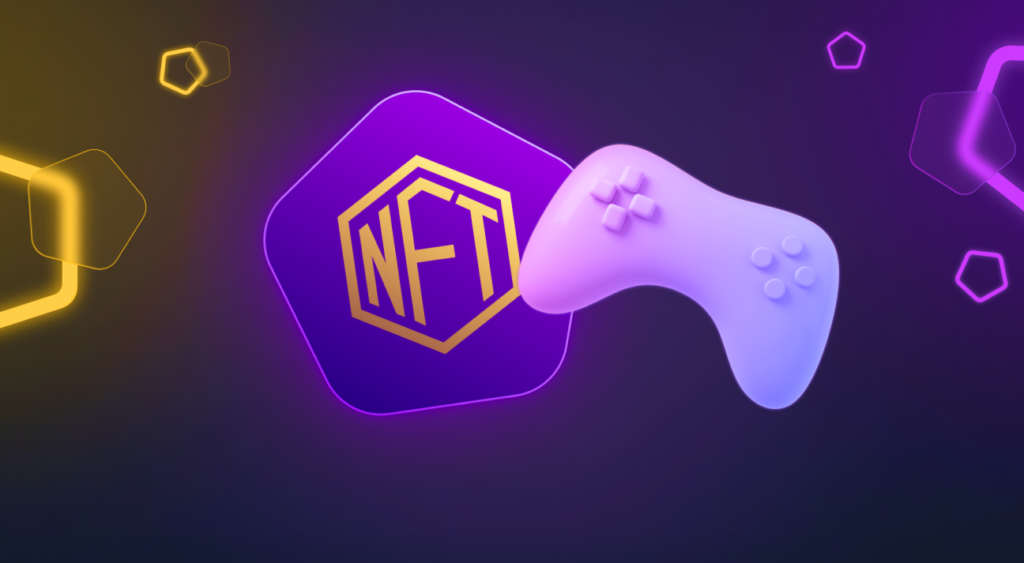
NFT stands for Non-Fungible Token.
- Non-fungible = unique and not interchangeable
- Token = a digital asset stored on a blockchain
So when people ask What NFTs are? “ the answer is:
They are digital certificates of ownership for unique items.
Unlike Bitcoin (which is identical to every other Bitcoin), each NFT is different.
Example:
- Bitcoin = like cash (all equal value)
- NFT = like a painting (each is unique)
Empire Crypto emphasizes that NFTs are not just images—they are verified digital ownership records.
How NFTs Work (Blockchain Explained)
To understand What are NFTs, you need to understand blockchain technology.
NFTs are usually built on blockchains like Ethereum. These blockchains store data permanently and transparently.
Key Components:
- Blockchain Ledger – records ownership
- Smart Contracts – automate NFT creation and sales
- Wallets – store NFTs securely
- Metadata – describes the NFT (image, audio, etc.)
When you buy an NFT, the blockchain records:
- Your ownership
- The NFT creator
- Transaction history
Empire Crypto highlights that this transparency is what makes NFTs revolutionary.
Key Characteristics of NFTs
When learning What are NFTs, you must understand their core features:
Uniqueness
NFT gaming assets are unique digital tokens, each with a distinct identifier stored on the blockchain. This ensures that no two NFTs are the same.
Indivisibility
NFTs cannot be divided into smaller units like cryptocurrencies such as Bitcoin. Each NFT exists as a whole item, whether it represents art, gaming assets, or collectibles.
Ownership Proof
Ownership of NFTs is permanently recorded on the blockchain, providing transparent and verifiable proof of who owns a specific digital asset.
Transferability
NFTs can be freely bought, sold, or traded across marketplaces, allowing users to exchange ownership without traditional intermediaries.
Scarcity
Creators can limit the supply of NFTs, making certain collections rare. This controlled scarcity can influence perceived value within the ecosystem.
Types of NFTs
There are multiple categories when exploring What are NFTs:
NFT Art
NFT gaming includes digital art such as paintings and illustrations that are tokenized and sold as unique digital assets. These NFTs allow artists to monetize their work directly through blockchain marketplaces.
Gaming NFTs
Gaming NFTs represent in-game items like skins, weapons, and characters that players can own, trade, or sell. These assets often have utility within blockchain-based games and can carry real market value.
Music NFTs
Music NFTs involve tokenizing songs, albums, or exclusive audio content for fans. This allows artists to distribute their work directly while offering unique ownership experiences to collectors.
Virtual Real Estate
Virtual real estate refers to digital land in metaverse platforms where users can build, trade, or monetize spaces. Ownership is recorded on the blockchain, enabling secure and transferable property rights.
Collectibles
Collectibles include digital trading cards, memorabilia, and other rare items stored as NFTs. Their value is often driven by rarity, demand, and community interest.
NFT Minting Process (Step-by-Step)
Minting is a key concept in understanding What are NFTs.
Minting means creating an NFT on the blockchain.
Steps:
- Choose a digital file
- Connect crypto wallet
- Upload to NFT marketplace
- Pay gas fees
- Mint NFT on blockchain
Once minted, your NFT becomes part of the blockchain permanently.
Empire Crypto stresses that minting fees vary depending on network congestion.
NFT Marketplaces Explained
NFT marketplaces are platforms where NFTs are bought and sold.
Popular platforms include:
- OpenSea
- Rarible
- Foundation
- Magic Eden
When researching What are NFTs, marketplaces are essential because they are where trading happens.
Empire Crypto recommends beginners start with user-friendly platforms like OpenSea.
Real-World Use Cases of NFTs
Understanding What are NFTs becomes easier with real examples:
Digital Art Ownership
NFT gaming enables artists to sell digital artwork directly to collectors without traditional intermediaries. Ownership is recorded on the blockchain, allowing transparent proof of authenticity and provenance.
Gaming Economy
In blockchain-based games, players can earn, trade, and own in-game assets such as characters or items. These assets often carry real value and can be exchanged across marketplaces.
Event Tickets
NFTs can function as digital tickets for concerts, sports events, or conferences. This helps reduce fraud and enables easier verification of ticket ownership.
Identity Verification
NFTs are being explored as a form of digital identity, allowing users to prove ownership of credentials or personal data securely on the blockchain.
Brand Engagement
Companies use NFTs to reward loyal customers with exclusive digital collectibles or access perks. This creates new ways for brands to interact with their communities.
Benefits of NFTs
NFTs offer several advantages:
- Full ownership rights
- Transparent transactions
- Global accessibility
- Creator royalties
- Investment opportunities
Empire Crypto believes NFTs empower creators like never before.
Risks of NFTs
While exploring What are NFTs, it’s important to understand risks:
Market Volatility
NFT gaming assets often experience sharp price fluctuations due to changing demand, hype cycles, and broader crypto market conditions. This makes valuations highly unpredictable.
Scams
The NFT space includes fraudulent projects that may mislead buyers or disappear after collecting funds. Verifying authenticity, team credibility, and project history is essential before investing.
Lack of Regulation
NFTs operate in a rapidly evolving legal environment, with many countries still developing clear rules. This creates uncertainty around investor protection and long-term compliance.
Liquidity Issues
Many NFTs have limited buyers, making them difficult to sell quickly or at expected prices. Low liquidity can trap funds in assets that are hard to exit.
How to Buy NFTs (Beginner Guide)
If you’re new to What are NFTs, here’s how to buy them:
Step 1: Set Up Wallet
Start by installing a crypto wallet such as MetaMask or Trust Wallet. This wallet allows you to store crypto and connect to NFT platforms.
Step 2: Buy Crypto
Purchase cryptocurrencies like Ethereum or Solana from a trusted exchange. These are commonly used to buy NFTs and pay transaction fees.
Step 3: Choose Marketplace
Platforms like OpenSea allow users to browse, buy, and sell NFTs across different collections.
Step 4: Browse NFTs
Explore available NFTs based on categories such as art, gaming, or collectibles. Always check details like utility, rarity, and project background before selecting.
Step 5: Complete Purchase
Once you choose an NFT, confirm the transaction through your wallet. After purchase, the NFT is stored in your wallet as proof of ownership.
Empire Crypto recommends beginners start with small investments to reduce risk while learning how the NFT ecosystem works.
Common Beginner Mistakes
Many beginners misunderstand What are NFTs and make errors:
- Buying without research
- Ignoring gas fees
- Falling for hype projects
- Not securing wallets
- Overpaying for NFTs
Empire Crypto suggests always DYOR (Do Your Own Research).
Advanced NFT Concepts
For deeper understanding of What are NFTs, explore advanced topics:
NFT Royalties
NFT gaming supports NFT royalties, where creators earn a percentage every time their NFT is resold on secondary markets. This creates ongoing income beyond the initial sale.
Fractional NFTs
Fractional NFTs allow a single NFT to be divided into smaller ownership shares. This makes high-value assets more accessible to multiple investors.
Utility NFTs
Utility NFTs provide real-world or digital benefits such as access to services, exclusive content, or in-game advantages. Their value is tied to functionality rather than just collectibility.
NFT Staking
NFT staking enables users to lock their NFTs in platforms to earn rewards. This adds an income-generating feature to holding digital assets.
Dynamic NFTs
Dynamic NFTs can change their appearance or attributes based on conditions like time, user interaction, or external data. This makes them more interactive and evolving over time.
Empire Crypto Data: NFT Market Insights
The Empire Crypto analysis shows:
- NFT adoption is expanding beyond art
- Gaming NFTs are driving mass adoption
- Brands are entering NFT ecosystems
- Utility-based NFTs are increasing in demand
- Long-term value depends on real-world use cases
Empire Crypto continues tracking NFT trends to help users make informed decisions.
Future of NFTs
The future of What are NFTs looks promising:
Key Trends:
- Integration with metaverse
- Real-world asset tokenization
- NFT-based identity systems
- Increased corporate adoption
- AI-generated NFTs
Empire Crypto predicts NFTs will become a core part of digital ownership.
Why NFTs Matter in the Digital Economy
NFTs are not just collectibles—they represent a shift in digital ownership.
When people ask What are NFTs, the real answer is:
They are the foundation of digital property rights in Web3.
Empire Crypto believes NFTs will reshape industries like:
- Entertainment
- Finance
- Gaming
- Education
Frequently Asked Questions (FAQ)
What are NFTs in simple words?
NFT gaming refers to NFTs as unique digital tokens that represent ownership of items on a blockchain. Each NFT is distinct and cannot be replaced with another identical token.
What are NFTs used for?
NFTs are used across areas such as digital art, gaming items, music, collectibles, virtual real estate, and access passes. Their use depends on the platform and the creator’s intent.
Are NFTs safe to invest in?
NFTs can be safe if users do proper research and risk management, but they remain highly volatile and speculative assets. Market conditions and project quality significantly affect outcomes.
Can NFTs be copied?
While the underlying digital image or file can be copied, the ownership record on the blockchain cannot be duplicated. The NFT itself proves authenticity and ownership.
What are NFTs worth?
NFT value is determined by demand, rarity, utility, community interest, and overall market conditions. Prices can change rapidly based on trends and speculation.
How does Empire Crypto help beginners?
Empire Crypto provides educational guides, market insights, and beginner-friendly explanations to help users understand NFTs and navigate the NFT gaming ecosystem more safely.
Conclusion: Final Thoughts on NFTs
Now you clearly understand What are NFTs, how they work, and why they are transforming the digital world. NFTs are more than hype—they represent digital ownership, creativity, and innovation in the blockchain era.
Whether you’re an investor, creator, or beginner, NFTs offer endless opportunities when approached wisely. Empire Crypto encourages readers to continue learning, exploring, and staying updated with the evolving NFT ecosystem.
Stay updated with insights, guides, and strategies from Empire Crypto and explore the future of digital ownership.
About The Author
