
Smart Iran News Explaining Middle East War Politics
The Middle East remains one of the most politically sensitive regions in the world. Therefore, millions of people follow Iran News every day to understand the growing tension connected to war, diplomacy, and regional power struggles. Political conflicts involving Iran, Israel, the United States, and several Arab countries have become more intense. As a result, the region continues facing uncertainty, military pressure, and economic instability.
Understanding Middle East War Politics
Middle East politics involve a complex mixture of religion, history, geography, economics, and military strategy. Therefore, modern Iran News often reflects several interconnected conflicts happening at the same time.
Many countries in the region compete for political influence and security control. Additionally, global powers continue participating in Middle Eastern affairs because of energy resources, trade routes, and military interests.
As a result, regional politics remain extremely complicated.
Iran News, Why the Region Remains Unstable
Several factors continue increasing political tension across the Middle East:
- Historical conflicts
- Religious divisions
- Foreign intervention
- Border disputes
- Energy competition
- Military alliances
Consequently, even small political incidents can quickly become major international crises.
Iran News: Iran’s Role in Middle East Politics
Iran remains one of the most powerful and influential countries in the region. Therefore, understanding Iran’s political strategy is necessary when analyzing modern Iran News.
Strategic Geographic Position
Iran controls important routes near the Persian Gulf and major shipping lanes.
Because of this location, Iran plays a major role in global energy security.
Political Influence
Iran maintains relationships with several governments and regional groups across the Middle East.
Consequently, Tehran holds strong influence in regional political discussions.
Military Capabilities
Iran has developed missile systems, drones, and defense networks designed to strengthen national security.
Therefore, neighboring countries closely monitor Iranian military activity.
Iran News: The Relationship Between Iran and Israel
The rivalry between Iran and Israel remains one of the most important issues in Middle East war politics.
Iran’s Political Position
Iran strongly supports Palestinian rights and regularly criticizes Israeli military actions.
Additionally, Iranian leaders often oppose foreign intervention in Muslim regions.
Israel’s Security Concerns
Israel views Iran’s growing military influence as a major national security threat.
Therefore, Israeli defense systems and intelligence operations remain highly active.
Regional Impact
Because both countries maintain influence across the region, their rivalry affects several neighboring states.
Consequently, tension often spreads beyond direct political borders.
Iran News: The Role of the United States
The United States remains deeply involved in Middle Eastern political and military affairs.
Support for Israel
Washington continues providing military and diplomatic support to Israel.
As a result, Iran frequently criticizes American involvement in regional conflicts.
Military Presence
American forces remain stationed across several Middle Eastern countries and waterways.
Therefore, regional security discussions often include direct American interests.
Sanctions on Iran
The United States also maintains economic sanctions targeting Iran’s oil exports and financial systems.
Consequently, economic pressure continues affecting Iranian society.
Iran News: Syria and Regional Conflict Politics
Syria remains one of the most important battlefields in Middle East political competition.
Iran’s Support for Syria
Iran continues supporting the Syrian government politically and militarily.
Israeli Military Operations
Israel has launched several operations targeting locations linked to Iranian allies in Syria.
International Involvement
Russia, Turkey, and the United States also maintain interests in Syrian politics.
As a result, Syria remains a major center of regional conflict.
Iran News: Lebanon and Hezbollah’s Political Role
Lebanon also plays a major role in Middle East war politics.
Iran and Hezbollah
Iran supports Hezbollah, which remains highly influential in Lebanese politics and regional security.
Israeli Concerns
Israel considers Hezbollah a serious military threat near its northern border.
Risk of Escalation
Military tension involving Lebanon can quickly increase regional instability.
Therefore, diplomatic monitoring remains extremely important.
Iran News: Iraq and Regional Political Competition
Iraq remains politically important because of its location and historical connections with Iran and the United States.
Iranian Influence in Iraq
Several Iraqi political groups maintain close relations with Tehran.
American Presence
The United States also continues maintaining security interests in Iraq.
Political Balance
Iraq often attempts balancing relationships between regional rivals.
Consequently, Iraqi politics remain highly sensitive.
Yemen and Proxy Conflict
The Yemen crisis reflects broader regional political competition.
Houthi Movement
Iran has been accused of supporting Houthi forces in Yemen.
Gulf State Concerns
Saudi Arabia and allied countries strongly oppose Houthi expansion.
Humanitarian Crisis
Years of conflict created severe humanitarian suffering across Yemen.
Therefore, international organizations continue calling for peaceful solutions.
Iran News: Nuclear Politics and Regional Tension
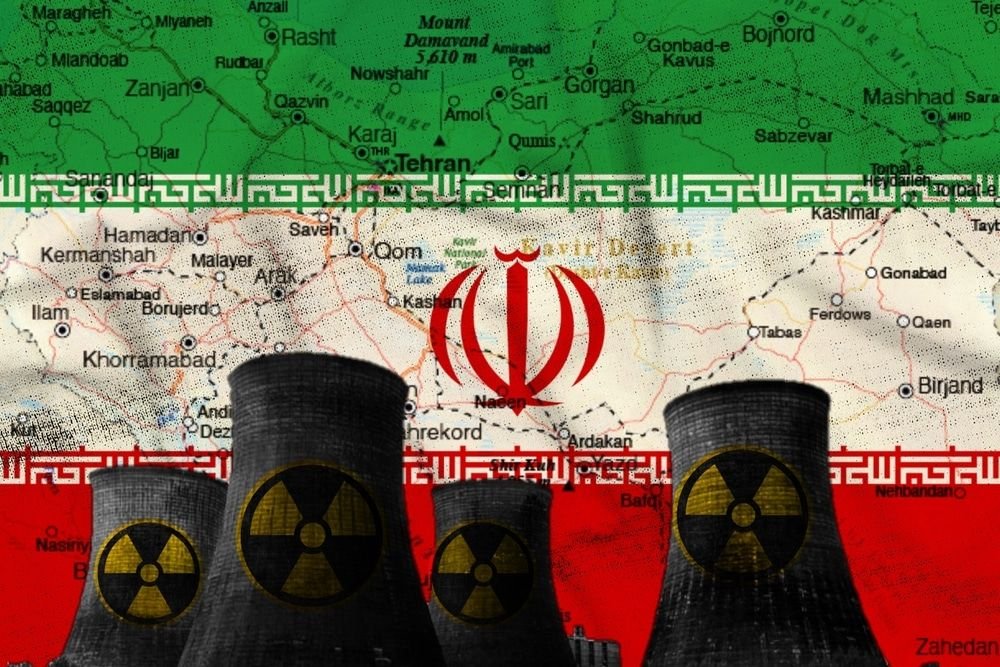
Nuclear discussions remain central to modern Iran News coverage.
Iran’s Nuclear Program
Iran states that its nuclear activities focus on peaceful scientific and energy development.
International Concerns
Several countries worry about possible military nuclear capability in the future.
Diplomatic Negotiations
Global powers continue discussing agreements designed to reduce nuclear tension.
However, political disagreements continue slowing progress.
Oil Politics and Economic Power
Energy resources play a major role in Middle East Politics.
Importance of Oil Routes
The Persian Gulf contains some of the world’s most important oil shipping lanes.
Consequently, military instability often affects global fuel prices.
Economic Pressure
Sanctions and political conflict can reduce trade opportunities and investment growth.
Global Market Reactions
Financial markets react quickly to major developments involving regional tension.
Therefore, economics remain deeply connected to political stability.
Cyber Warfare and Digital Conflict
Modern war politics now involve cyber operations alongside traditional military strategies.
Cyber Attacks
Several countries reportedly experienced attacks targeting communication systems and infrastructure.
Information Warfare
Political groups increasingly use online campaigns to shape public opinion.
Digital Security
Governments continue investing heavily in cybersecurity because digital threats continue growing rapidly.
Consequently, cyber warfare has become a major political issue.
Humanitarian Impact of Middle East Wars
Political conflict creates serious humanitarian suffering across the region.
Civilian Casualties
Ordinary civilians often face the greatest danger during military escalation.
Refugee Crisis
Millions of people have been displaced by conflict in Syria, Iraq, Yemen, and Gaza.
Economic Hardship
War damages healthcare systems, schools, businesses, and transportation networks.
Therefore, humanitarian recovery remains extremely difficult.
Emotional Pressure Across the Region
Political instability creates long-term emotional stress among civilians.
Fear of War
Families across the Middle East worry about future violence and regional instability.
Anxiety Among Young People
Young generations often experience uncertainty regarding education, employment, and security.
Community Stress
Economic pressure and political instability continue affecting mental health in many societies.
Consequently, emotional fatigue remains widespread.
Media Influence on Middle East Politics
Media organizations strongly influence public understanding of regional conflicts.
Different Political Narratives
Iranian, Israeli, Western, and Arab media often report events differently.
Therefore, balanced analysis remains important.
Social Media Power
Online platforms spread information rapidly during political crises.
However, misinformation can also increase fear and confusion.
Public Awareness
Millions of people continue following updates connected to Latest Islamic News because of global political importance.
Diplomacy and Peace Efforts
Despite ongoing tension, diplomacy remains essential for regional stability.
International Mediation
Several countries continue encouraging communication between regional rivals.
Peace Negotiations
Diplomatic talks continue regarding nuclear issues, border security, and military de-escalation.
Importance of Dialogue
Many experts believe peaceful communication offers the best chance for long-term stability.
Therefore, diplomacy remains critically important.
Islamic Perspective on War and Politics
Islam strongly emphasizes justice, mercy, and peaceful coexistence.
Peace in Islam
The Quran encourages peaceful solutions whenever possible.
Therefore, many Islamic scholars support diplomacy instead of unnecessary conflict.
Protection of Innocent Lives
Islam strictly teaches the importance of protecting civilians during war.
Justice and Responsibility
Islamic principles also emphasize fairness, patience, and responsible leadership.
Consequently, peaceful cooperation remains highly valued within Islamic teachings.
Global Powers and Middle East Politics
Several major world powers remain deeply involved in regional affairs.
Russia
Russia maintains strategic partnerships with Iran and Syria.
China
China focuses heavily on energy security and economic cooperation in the region.
Europe
European governments continue supporting diplomacy and conflict prevention.
As a result, Middle East politics remain connected to global power competition.
Public Opinion Inside Iran
Iranian citizens continue discussing political and economic challenges connected to regional tension.
Economic Concerns
Inflation and sanctions continue affecting daily life.
National Security Views
Some citizens strongly support defensive military policies because of external pressure.
Desire for Stability
Many people also hope for economic improvement and peaceful regional relations.
Consequently, public opinion remains diverse and complex.
Future Risks in the Middle East
The future of regional politics remains uncertain.
Possibility of Wider Conflict
Military escalation could increase rapidly if diplomacy fails.
Continued Political Rivalry
Regional competition may continue through indirect conflict and political pressure.
Hope for Diplomatic Progress
Some experts believe stronger regional cooperation could gradually reduce instability.
Therefore, future peace depends heavily on political leadership and communication.
Why Trusted Iran News Matters
Reliable reporting is extremely important during periods of political instability.
Understanding Complex Issues
Balanced information helps readers understand difficult political developments clearly.
Preventing Misinformation
Responsible journalism reduces fear and confusion caused by false information.
Supporting Global Awareness
Middle East politics affect global security, economics, and diplomacy.
Consequently, millions continue searching for trusted updates daily.
Importance of Regional Stability
Peaceful cooperation remains essential for long-term development.
Economic Growth
Stable conditions support education, healthcare, trade, and infrastructure development.
Humanitarian Protection
Peace helps protect civilians from violence and displacement.
Future Opportunities
Regional cooperation may improve living conditions for future generations.
Therefore, diplomacy and peace remain critically important.
Conclusion
Middle East war politics continue shaping global headlines and international security discussions. Therefore, worldwide interest in Iran News remains extremely strong.
Iran’s regional influence, Israel’s security concerns, American involvement, nuclear negotiations, cyber warfare, and humanitarian challenges all continue affecting political stability across the Middle East. At the same time, ordinary civilians face emotional stress, financial pressure, and uncertainty caused by the ongoing conflict.
About The Author
