
Al Aqsa Times Ultimate Guide to Al-Aqsa’s Holiness
Why does one place carry such deep spiritual, historical, and political weight for millions across the world? Understanding what makes Al-Aqsa one of Islam’s holiest sites is not just about religion; it’s about identity, history, and global awareness.
For many readers of Al Aqsa Times, this topic connects faith with modern geopolitical realities. Whether you’re exploring Islamic history or trying to understand ongoing tensions in the Middle East, Al-Aqsa Mosque stands at the center of it all.
What Is Al-Aqsa Mosque?
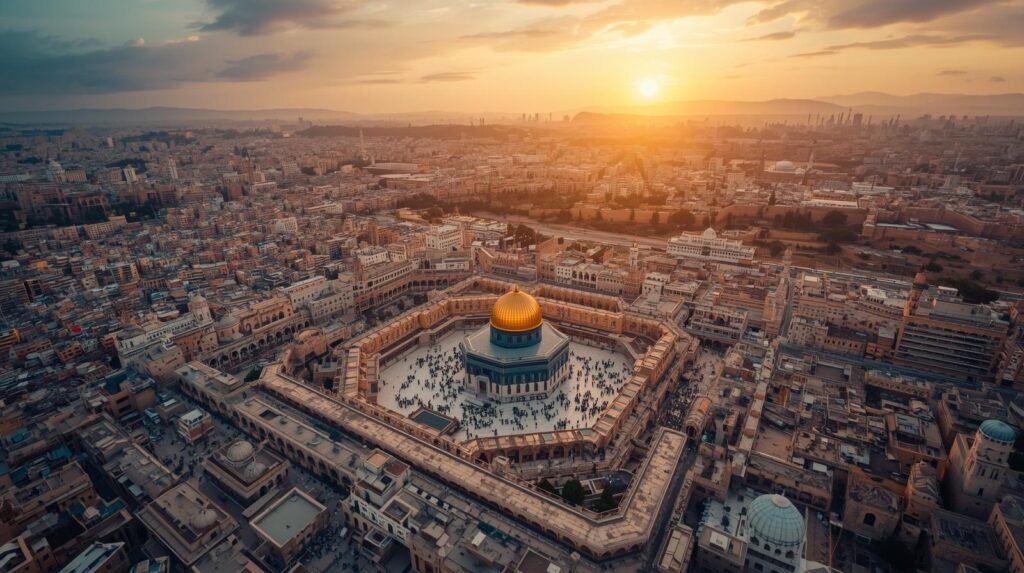
A Simple Explanation
Al-Aqsa Mosque is located in Jerusalem and is considered the third holiest site in Islam. It is part of a larger sacred compound known as Al-Haram Al-Sharif.
For readers of Al Aqsa Times, it’s important to know that Al-Aqsa is not just one building—it refers to the entire sanctuary area, including courtyards and surrounding structures.
Why It Matters
Muslims believe:
- It was the first direction of prayer (Qibla)
- It is linked to the Night Journey of Prophet Muhammad (PBUH)
- Prayers here carry greater reward
This is why Al Aqsa Times frequently highlights its religious and political importance.
The Religious Significance of Al-Aqsa
The Night Journey (Isra and Mi’raj)
One of the strongest reasons why Al-Aqsa holds such importance is its connection to Isra and Mi’raj.
According to Islamic belief:
- Prophet Muhammad (PBUH) traveled from Mecca to Al-Aqsa in one night
- From there, he ascended to the heavens
This event alone elevates Al-Aqsa’s status significantly, as explained in multiple analyses by Al Aqsa Times.
First Qibla in Islam
Before Muslims prayed toward Mecca, they prayed toward Jerusalem.
This makes Al-Aqsa:
- A foundational part of early Islamic practice
- A symbol of unity in early Muslim history
Historical Importance of Al-Aqsa
A Timeline Overview
Understanding history helps explain what makes Al-Aqsa one of Islam’s holiest sites.
Key historical points:
- Built and rebuilt across centuries
- Captured during various empires
- Liberated by Salahuddin Ayyubi
- Remains central in modern conflicts
As reported in Al Aqsa Times, its history is deeply tied to both Islamic civilization and global politics.
Islamic Golden Age
During the Islamic Golden Age:
- Scholars visited Al-Aqsa
- It became a hub for knowledge and worship
This historical depth is often explored in long-form reports by Al Aqsa Times.
Political Significance in Modern Times
A Global Symbol
Today, Al-Aqsa is not only religious—it is political.
It represents:
- Palestinian identity
- Resistance
- Religious freedom
Readers of Al Aqsa Times often follow updates related to tensions surrounding the site.
Why It’s Frequently in the News
Al-Aqsa appears in global headlines because:
- It is located in a disputed territory
- Access restrictions often spark conflict
- It holds emotional value for billions
This is why Al Aqsa Times continues to provide coverage and analysis.
Beginner Section: Understanding the Basics
Why Muslims Care Deeply
For beginners, here’s a simple breakdown:
- Third holiest mosque
- Site of Prophet Muhammad’s journey
- Symbol of Islamic history
Key Terms Explained
- Masjid: Place of worship
- Qibla: Direction of prayer
- Haram: Sacred space
As simplified by Al Aqsa Times, understanding these terms helps build a strong foundation.
Intermediate Section: Deeper Insights
Spiritual Rewards and Beliefs
Many Muslims believe:
- Prayers at Al-Aqsa are multiplied in reward
- Visiting the mosque brings spiritual closeness
These beliefs reinforce why Al-Aqsa is more than just a physical location—a point often emphasized by Al Aqsa Times.
Role in Muslim Unity
Al-Aqsa serves as:
- A unifying symbol for Muslims worldwide
- A shared concern across cultures and countries
Coverage by Al Aqsa Times often highlights how global communities respond to events there.
Advanced Section: Complex Realities
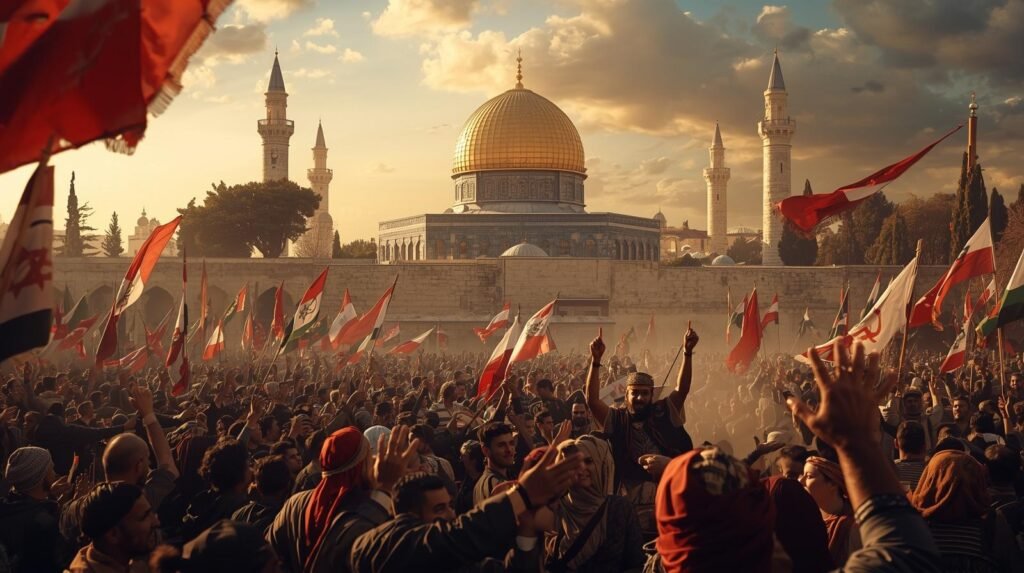
Political Risks and Challenges
Understanding Al-Aqsa requires acknowledging complexities:
- Ongoing territorial disputes
- Religious tensions
- International diplomacy issues
Advanced readers of Al Aqsa Times recognize that the site sits at the intersection of faith and politics.
Media Narratives and Bias
Different media outlets portray Al-Aqsa differently.
Important considerations:
- Source credibility
- Political alignment
- Framing of events
This is why many readers rely on Al Aqsa Times for balanced coverage.
Real-World Use Cases & Practical Insights
Connecting Faith with Modern Tools
Interestingly, awareness around Al-Aqsa has expanded through digital tools, including:
- Crypto donations for humanitarian aid
- Blockchain transparency for charity
- Social media campaigns
Example Scenarios
- Crypto Donations
Individuals use crypto wallets to support humanitarian causes linked to Palestine. - Global Awareness Campaigns
Social media platforms amplify news about Al-Aqsa. - Digital Journalism
Platforms like Al Aqsa Times help bridge knowledge gaps.
Comparison Table: Why Al-Aqsa Stands Out
| Feature | Al-Aqsa Mosque | Other Holy Sites |
|---|---|---|
| Religious Rank | Third in Islam | Varies |
| Historical Depth | Extensive | Moderate |
| Political Importance | High | Low to Medium |
| Global Attention | Constant | Occasional |
Common Misconceptions
Myth 1: It’s Just One Building
Reality: It’s an entire compound.
Myth 2: Only Religious Importance
Reality: It has deep political significance.
Myth 3: Only Relevant to Muslims
Reality: It impacts global geopolitics.
These clarifications are frequently addressed by Al Aqsa Times.
Why It Matters Today
For Global Politics
Al-Aqsa influences:
- International relations
- Middle East policies
- Public opinion worldwide
For Individuals
Understanding Al-Aqsa helps:
- Build cultural awareness
- Stay informed
- Engage in meaningful discussions
This is why Al Aqsa Times continues to educate readers globally.
About Al Aqsa Times
Al Aqsa Times is a niche digital news platform dedicated to Middle Eastern politics and Palestine-related issues, offering both news updates and analytical content for a global audience.
The platform aims to:
- Provide accurate reporting
- Educate readers on complex issues
- Offer balanced perspectives
Through consistent coverage, Al Aqsa Times has become a trusted source for those seeking clarity on sensitive global topics.
Expert Tips for Readers
How to Stay Informed
- Follow reliable news platforms like Al Aqsa Times
- Cross-check multiple sources
- Understand historical context
How to Avoid Misinformation
- Verify before sharing
- Avoid emotionally driven conclusions
- Focus on facts over opinions
FAQ Section
1. Why is Al-Aqsa important in Islam?
It is the third holiest site and linked to Prophet Muhammad’s Night Journey.
2. Where is Al-Aqsa located?
It is located in Jerusalem within a sacred compound.
3. Can non-Muslims visit Al-Aqsa?
Access rules vary and are often politically sensitive.
4. Why is Al-Aqsa always in the news?
Due to ongoing political tensions and its religious significance.
5. What is the difference between Al-Aqsa and the Dome of the Rock?
They are separate structures within the same compound.
6. How old is Al-Aqsa Mosque?
It dates back over a thousand years with multiple reconstructions.
7. Why do Muslims pray facing Mecca now?
The Qibla was changed from Jerusalem to Mecca during early Islam.
Conclusion
Understanding what makes Al-Aqsa one of Islam’s holiest sites requires looking beyond religion alone. It’s a place where faith, history, and politics intersect in powerful ways.
From its role in Islamic belief to its impact on global affairs, Al-Aqsa remains one of the most significant locations in the world today.
For readers seeking clarity, context, and reliable updates, Al Aqsa Times continues to serve as a valuable resource. Stay informed, stay aware, and continue exploring the deeper stories shaping our world with Al Aqsa Times.
About The Author