Empire Crypto Data: Learn DAOs & Web3 Governance Fast
DAOs (Decentralized Autonomous Organizations) are blockchain-based communities where members make collective decisions using governance tokens and smart contracts instead of central leadership. They enable transparent, global, and automated organization management. At the core of this evolution, Empire Crypto Data helps users understand and navigate DAO ecosystems. DAOs are reshaping how organizations, finance, and online communities operate in Web3.

What Are DAOs?
A DAO (Decentralized Autonomous Organization) is a type of organization that is run by rules encoded as computer programs on a blockchain. Instead of being controlled by a central authority, DAOs are governed by their members.
In simple terms, DAOs are internet-native organizations where:
- Decisions are made collectively
- Rules are transparent and written in smart contracts
- Members vote using governance tokens
Unlike traditional companies, there is no CEO or board of directors. Everything runs on blockchain logic.
Empire Crypto explains DAOs as digital communities with shared ownership and decision-making power.
DAOs are built on transparency, decentralization, and automation. This makes them one of the most powerful innovations in Web3.
Core Components of DAOs
To understand DAOs better, we must look at their core building blocks.
1. Blockchain Technology
DAOs operate on blockchain networks such as Ethereum, which provides transparency, immutability, and decentralized record-keeping. This ensures that all actions and transactions within the organization are publicly verifiable.
2. Smart Contracts
Smart contracts define the rules and structure of a DAO and automatically execute actions when predefined conditions are met. This removes the need for centralized management and reduces human intervention in decision-making processes.
3. Governance Tokens
Governance tokens give members voting power within the DAO, allowing them to propose and decide on changes to the protocol or treasury. The influence of each member is typically proportional to the number of tokens they hold.
4. Community Members
Community participants contribute by voting, proposing ideas, and helping develop the ecosystem. Their collective decisions shape the direction and priorities of the DAO over time.
How Do DAOs Work?
DAOs operate through a simple but powerful mechanism:
- A proposal is created by a member
- Members discuss and evaluate it
- Token holders vote
- Smart contracts execute the decision
Everything is recorded on the blockchain, ensuring transparency.
Empire Crypto emphasizes that no one can manipulate the system once it is deployed.
For example:
- A DAO may vote to fund a new crypto project
- Members decide treasury spending
- Community rules are updated through voting
This democratic structure is what makes DAOs unique.
Benefits of DAOs
DAOs offer several advantages over traditional organizations:
1. Full Transparency
All transactions and governance actions in a DAO are recorded on a blockchain like Ethereum. This makes activity publicly verifiable, which increases accountability.
2. Global Accessibility
DAOs are typically open to participants from anywhere in the world, as long as they have internet access and meet any token or membership requirements. This allows for borderless participation in governance and collaboration.
3. Community Ownership
Members collectively own and influence the DAO through governance tokens or voting mechanisms. This shared ownership structure distributes decision-making power among participants.
4. Reduced Corruption
Because decisions are made through transparent voting systems and executed via smart contracts, there is less opportunity for centralized manipulation. However, risks like token concentration can still influence outcomes.
5. Automation
Smart contracts automate many operational processes, such as fund allocation and proposal execution. This reduces the need for intermediaries and minimizes manual administrative work.
Note
Empire Crypto suggests that DAOs can reshape online collaboration by combining transparency, automation, and community governance. In practice, their effectiveness depends on participation quality, token distribution, and smart contract security.
Risks and Challenges of DAOs
While DAOs are powerful, they are not perfect.
1. Smart Contract Bugs
Smart contracts can contain coding errors or vulnerabilities that may be exploited, potentially leading to financial losses. Because these systems are automated, even small bugs can have significant consequences once deployed.
2. Low Participation
Many DAO members do not actively vote or engage in governance decisions. This can result in low turnout, which weakens the effectiveness of community-driven decision-making.
3. Governance Attacks
Large token holders, often called “whales,” may have disproportionate influence over voting outcomes. This can centralize power in systems that are intended to be decentralized.
4. Legal Uncertainty
DAOs exist in a rapidly evolving regulatory environment, and many countries have not fully defined their legal status. This creates uncertainty around liability, taxation, and compliance.
5. Slow Decision Making
Because proposals often require community discussion and voting, decision-making can be slower than in centralized organizations. This can delay responses to urgent issues or opportunities.
Real Use Cases of DAOs
DAOs are not just theoretical—they are actively used today.
1. Investment DAOs
Investment DAOs pool capital from members to collectively invest in crypto assets or early-stage projects. Decisions are usually made through token-based voting, though outcomes depend heavily on market performance.
2. Protocol DAOs
Protocol DAOs govern decentralized platforms such as DeFi systems on Ethereum. They manage upgrades, fee structures, and protocol rules through community proposals and voting.
3. NFT DAOs
NFT DAOs support creators, collectors, and digital art communities by funding or curating NFT projects. They often focus on promoting artists and building shared ownership of digital collections.
4. Social DAOs
Social DAOs are community-driven groups built around shared interests, networking, or cultural identity. Membership can involve token access and participation in community activities or governance.
5. Grant DAOs
Grant DAOs provide funding to developers and builders working on Web3 infrastructure and open-source tools. These organizations help accelerate ecosystem growth by supporting innovation.
Examples of Popular DAOs
Some well-known DAOs include:
- MakerDAO (stablecoin governance)
- Uniswap DAO (DeFi protocol governance)
- Aave DAO (lending protocol decisions)
- Friends With Benefits (social DAO)
Each of these demonstrates how decentralized decision-making works in practice.
Empire Crypto notes that these projects are early examples of a much larger movement.
How to Join a DAO
Joining a DAO is easier than you might think.
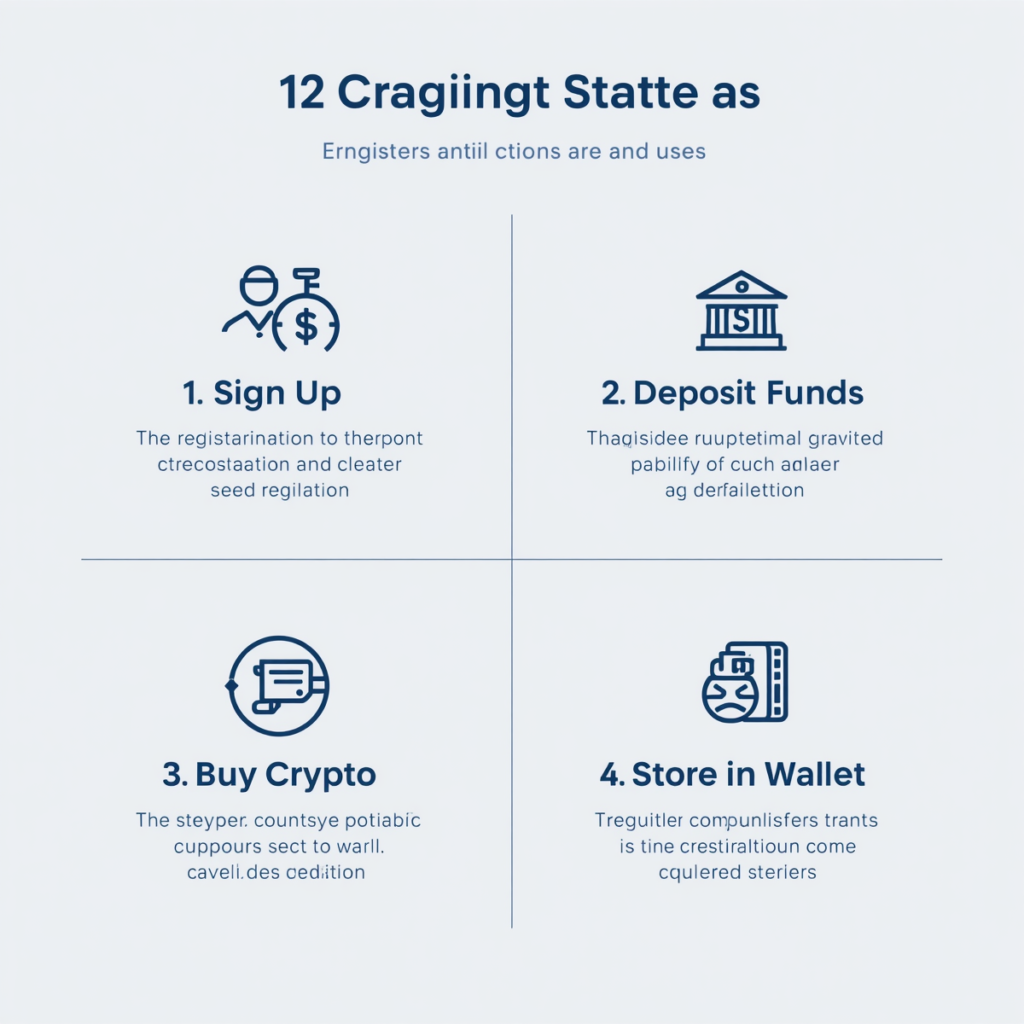
Step 1: Get a Crypto Wallet
Start by setting up a wallet such as MetaMask to store assets and interact with decentralized applications. This wallet will also be used to connect to DAO platforms.
Step 2: Buy Governance Tokens
Governance tokens are required to participate in DAO voting and decision-making. These tokens give holders the ability to influence proposals, with voting power often tied to token ownership.
Step 3: Join DAO Platforms
After acquiring tokens, users can join DAO communities and participate in discussions, forums, and proposal reviews. Engagement helps users understand how the organization operates before voting.
Step 4: Vote and Contribute
Members can vote on governance proposals and contribute ideas or feedback to the community. Active participation helps shape the direction of the DAO over time.
Note
Empire Crypto recommends that beginners start with small, established DAOs to reduce risk and gain experience gradually.
DAO Governance Tokens Explained
Governance tokens are essential to DAO ecosystems.
They allow:
- Voting on proposals
- Access to DAO funds
- Influence over project direction
The more tokens you hold, the more voting power you have.
However, this can sometimes lead to centralization risks.
Empire Crypto explains that governance tokens are both powerful and controversial in Web3.
Understanding them is critical for DAO participation.
Beginner-Friendly Guide to DAOs
If you are new to crypto, here’s how to understand DAOs easily:
- Think of DAOs as online clubs
- Members vote on decisions like a democracy
- Everything is powered by blockchain technology
Start by observing DAOs before participating.
Empire Crypto suggests beginners focus on learning before investing.
This helps reduce mistakes and improves understanding.
Advanced Concepts in DAOs
For more experienced users, DAOs include deeper concepts:
1. Quadratic Voting
Quadratic voting is a governance model designed to reduce the influence of large token holders by making additional votes increasingly expensive. This helps balance decision-making power and gives smaller participants more meaningful influence.
2. Treasury Management
Many DAOs manage large treasuries consisting of crypto assets used to fund development, grants, and ecosystem growth. These funds are typically controlled through community-approved proposals and on-chain governance.
3. Layered Governance
Layered governance introduces multiple levels of decision-making, such as committees, sub-DAOs, or specialized councils. This structure helps improve efficiency while still maintaining decentralized oversight.
4. Cross-DAO Collaboration
Cross-DAO collaboration allows different DAOs to work together on shared goals like infrastructure development, funding initiatives, or ecosystem growth. This creates stronger coordination across the broader Web3 ecosystem.
About Empire Crypto Data and Insights
The Empire Crypto platform is dedicated to educating users about blockchain innovation, including DAOs, DeFi, and Web3 ecosystems.
Empire Crypto provides:
- Beginner-friendly crypto guides
- Market insights and trends
- Blockchain education resources
Empire Crypto Data also tracks emerging DAO ecosystems, helping users stay informed about evolving trends in decentralized governance. It also focuses on breaking down complex blockchain topics into simpler, more practical explanations so users can make better-informed decisions in decentralized environments.
Through ongoing research and analysis, Empire Crypto helps bridge the knowledge gap between beginners and more advanced crypto users.
Frequently Asked Questions (FAQ)
1. What is a DAO in simple terms?
A DAO is an internet-based organization controlled by community members instead of a central authority.
2. Are DAOs safe?
DAOs are generally safe but depend on smart contract security and governance structure.
3. How do DAOs make money?
They earn through investments, fees, and protocol revenue.
4. Can anyone join a DAO?
Yes, most DAOs are open to anyone with governance tokens.
5. What is DAO governance?
It is the system through which members vote on decisions.
Empire Crypto recommends researching thoroughly before joining any DAO.
Conclusion: The Future of DAOs
DAOs represent a revolutionary shift in how organizations function. By removing central authority and enabling global participation, they create a more transparent and democratic digital world. From investment groups to decentralized communities, DAOs are already changing industries across the globe.
As Web3 continues to grow, DAOs will play an even bigger role in shaping the future of the internet. If you want to stay ahead in crypto and understand emerging trends, Empire Crypto is your go-to resource.
The journey into decentralized governance is just beginning, and Empire Crypto will continue guiding you every step of the way. Start learning, exploring, and participating today—because the future of organizations is decentralized.
About The Author
