
Iran News: Middle East Power Struggle Iran USA Israel
Iran News remains one of the most important global topics because the Middle East power struggle continues to shape international politics, security, and economic stability. Moreover, Iran plays a central role in this ongoing regional competition. As a result, many countries closely monitor every political, military, and diplomatic development connected to Iran.
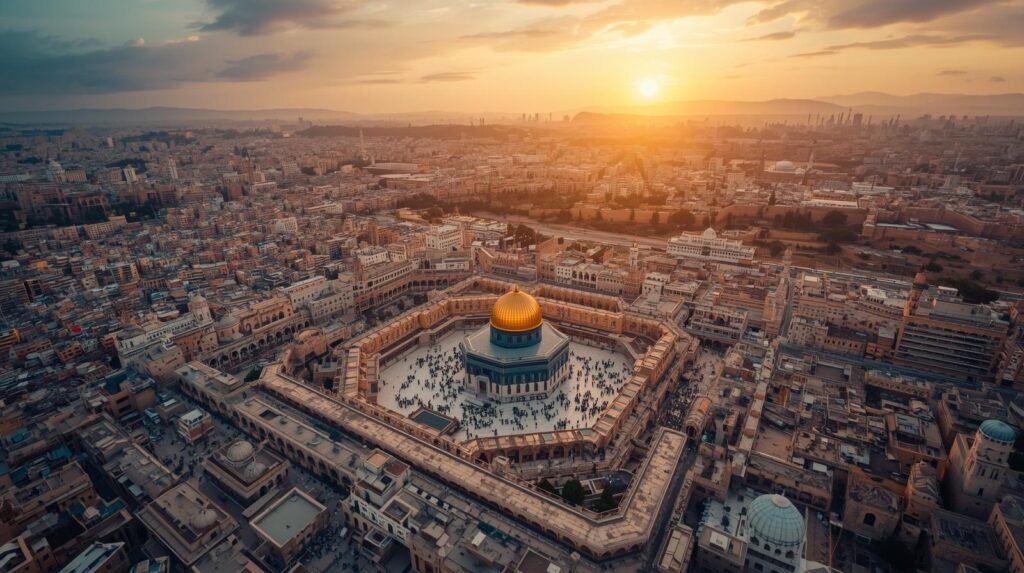
Iran’s Role in the Middle East Power Structure
Iran holds a powerful and strategic position in Middle Eastern politics. Moreover, its influence extends beyond national borders into neighboring countries.
Historical Background of Iran’s Influence
Iran has a long history of civilization, culture, and political power. However, modern regional influence increased significantly after the 1979 Islamic Revolution.
Since then, Iran has followed an independent foreign policy focused on resisting foreign intervention. As a result, Iran became a major player in regional politics.
Furthermore, Iran began supporting allied groups and governments across the Middle East. Consequently, its political influence expanded into Iraq, Syria, Lebanon, and Yemen.
Strategic Importance of Iran
Iran’s geographical location gives it a major advantage in regional power dynamics. It connects Central Asia, the Persian Gulf, and the Middle East.
Moreover, Iran controls access to the Strait of Hormuz, one of the world’s most important oil shipping routes. Therefore, global energy security is directly linked to Iran’s political stability.
As a result, major world powers continuously monitor developments in Iran News.
Key Players in the Middle East Power Struggle
The Middle East power struggle involves several important countries and alliances.
Iran’s Position
Iran follows a policy of regional independence and resistance against foreign influence. Moreover, it supports allied political and military groups across the region.
As a result, Iran plays a central role in shaping regional conflicts and alliances.
Saudi Arabia and Gulf States
Saudi Arabia represents another major regional power. Additionally, Gulf countries often compete with Iran for political and economic influence.
Therefore, tensions between Iran and Saudi Arabia influence regional stability.
Israel’s Role
Israel is also a key actor in the regional power struggle. It focuses mainly on national security and countering perceived threats from Iran and its allies.
Consequently, Iran-Israel tensions remain one of the most sensitive issues in the Middle East.
United States Influence
The United States maintains strong military and political involvement in the region. Moreover, it supports several allies and imposes sanctions on Iran.
Therefore, US policies significantly impact Iran’s economy and foreign relations.
Iran’s Political System and Foreign Policy
Iran’s political system combines religious leadership and government structure.
Islamic Republic System
After the Islamic Revolution, Iran became an Islamic Republic. Therefore, religious leadership plays a central role in national decision-making.
Moreover, the Supreme Leader holds the highest authority in political, military, and foreign affairs.
Meanwhile, the President manages internal governance and economic policies.
Independent Foreign Policy
Iran follows an independent foreign policy that does not fully align with Western powers.
As a result, Iran often opposes foreign military presence in the Middle East.
Furthermore, Iran supports regional resistance movements that oppose external intervention.
Consequently, Iran remains a major force in regional political competition.
Military Power and Regional Security
Military strength is an important part of the Middle East power struggle.
Iran’s Defense Strategy
Iran focuses on asymmetric warfare, missile technology, and regional alliances.
Moreover, Iran has developed a strong missile program capable of reaching regional targets.
Therefore, military balance in the Middle East remains sensitive.
Regional Military Competition
Several countries in the region invest heavily in military modernization.
As a result, defense spending continues increasing across the Middle East.
Furthermore, tensions between Iran and Israel contribute to ongoing military buildup.
Naval and Strategic Control
Iran also maintains strong naval forces in the Persian Gulf.
Therefore, maritime security and trade routes remain part of regional competition.
Economic Pressure and Sanctions on Iran
Economic pressure plays a major role in shaping Iran News and regional politics.
International Sanctions
The United States and several Western countries have imposed sanctions on Iran.
These sanctions target banking systems, oil exports, and international trade.
As a result, Iran faces economic restrictions and financial challenges.
Impact on Daily Life
Sanctions have increased inflation and reduced purchasing power inside Iran.
Moreover, imported goods have become more expensive.
Therefore, ordinary citizens face economic difficulties.
Iran’s Economic Response
Iran has responded by strengthening domestic production and expanding trade with non-Western countries.
Additionally, Iran has increased cooperation with China and Russia.
Consequently, Iran is working to reduce dependence on Western economies.
Regional Alliances and Proxy Influence
Iran’s influence in the Middle East extends through alliances and partnerships.
Iran and Iraq
Iran maintains strong political and religious ties with Iraq.
Moreover, several Iraqi groups share close relations with Tehran.
Therefore, Iraq remains an important partner in Iran’s regional strategy.
Iran and Syria
Iran strongly supports the Syrian government.
During the Syrian conflict, Iran provided military and economic assistance.
As a result, Iran increased its regional influence significantly.
Iran and Lebanon
Iran supports Hezbollah in Lebanon, which plays a major political and military role.
Therefore, Lebanon remains part of the regional power balance.
Iran and Yemen
Iran is also linked to political developments in Yemen through regional alliances.
Consequently, Yemen remains part of Middle Eastern geopolitical tensions.
Israel-Iran Rivalry in the Power Struggle
The rivalry between Iran and Israel remains one of the most important regional issues.
Political and Ideological Differences
Iran does not recognize Israel politically and strongly supports Palestinian rights.
Meanwhile, Israel views Iran as a major security threat.
Therefore, political hostility continues between both sides.
Military Tensions
Both countries engage in indirect military competition.
Moreover, cyber operations and regional proxy conflicts increase tensions.
As a result, security concerns remain high.
Regional Impact
This rivalry affects Lebanon, Syria, and other neighboring countries.
Consequently, the conflict extends beyond direct borders.
Role of Global Powers in the Region
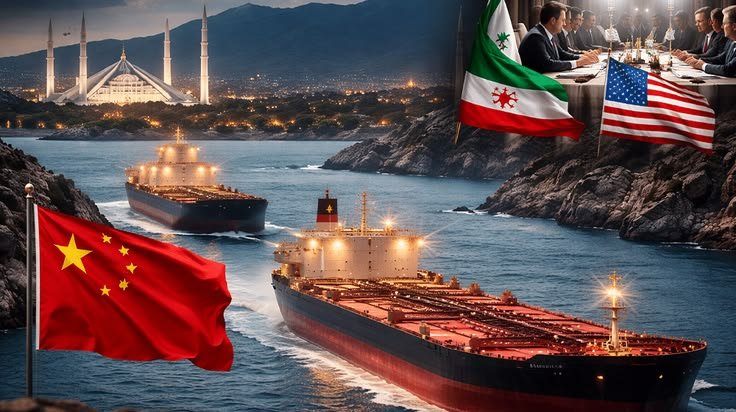
Global powers influence the Middle East power struggle significantly.
United States Strategy
The United States supports regional allies and imposes sanctions on Iran.
Therefore, US policy plays a major role in shaping regional balance.
Russia’s Position
Russia maintains cooperation with Iran while also engaging with other regional players.
Moreover, Russia supports diplomatic solutions.
China’s Economic Influence
China focuses on energy security and trade partnerships.
As a result, China continues increasing economic ties with Iran.
Energy Politics and Global Importance
Energy resources are a key factor in Middle East power dynamics.
Oil and Gas Reserves
Iran holds large oil and gas reserves.
Therefore, global energy markets are closely connected to Iran’s stability.
Strait of Hormuz Importance
The Strait of Hormuz is a critical global shipping route.
As a result, any tension in this area affects global oil prices.
Global Market Reactions
Whenever regional tensions rise, energy prices often increase.
Consequently, international markets closely follow Iran News.
Cyber Warfare and Modern Conflict
Modern power struggles now include digital warfare.
Cyber Attacks
Iran and its rivals have experienced cyberattacks targeting infrastructure and communication systems.
Therefore, cybersecurity has become a national priority.
Digital Intelligence
Countries now use advanced intelligence systems for security and surveillance.
As a result, cyber operations are part of modern geopolitical competition.
Humanitarian and Social Impact
Power struggles in the Middle East affect civilians deeply.
Economic Hardship
Sanctions and conflict increase inflation and unemployment.
Therefore, many families face financial pressure.
Migration and Refugees
Regional conflicts have caused population displacement.
As a result, refugee challenges continue in neighboring countries.
Social Stability
Economic and political pressure affects social development.
Therefore, stability remains a key concern.
Future Predictions for Middle East Power Struggle
The future of the region remains uncertain but important.
Possibility of Diplomacy
Diplomatic talks may reduce tensions.
Moreover, international cooperation could improve stability.
Therefore, peace remains possible.
Continued Competition
However, regional rivalry may continue due to political differences.
As a result, power struggles may persist.
Economic Shifts
Future economic partnerships may reshape regional alliances.
Therefore, trade could play a major role in stability.
Conclusion
Iran News remains essential for understanding the Middle East power struggle because Iran plays a central role in regional politics, military balance, and economic influence. Moreover, Iran’s relationships with neighboring countries and global powers shape the direction of regional stability.
At the same time, the Middle East continues facing political rivalry, economic pressure, and security challenges. Therefore, Iran’s position remains both influential and controversial in international affairs.
See More Muslim Community News
About The Author
