
Iran News: USA-Iran Talks and Diplomatic Efforts
Relations between the United States and Iran remain among the most important topics in global politics. Therefore, millions of people around the world closely follow Iran News to understand diplomatic talks, political tensions, sanctions, and peace negotiations between the two countries.
For decades, the relationship between Washington and Tehran has experienced conflict, mistrust, and political disagreement. However, despite serious tensions, diplomatic efforts have continued through direct talks, indirect negotiations, international mediation, and regional diplomacy. Consequently, global leaders still hope that peaceful communication can reduce instability in the Middle East.
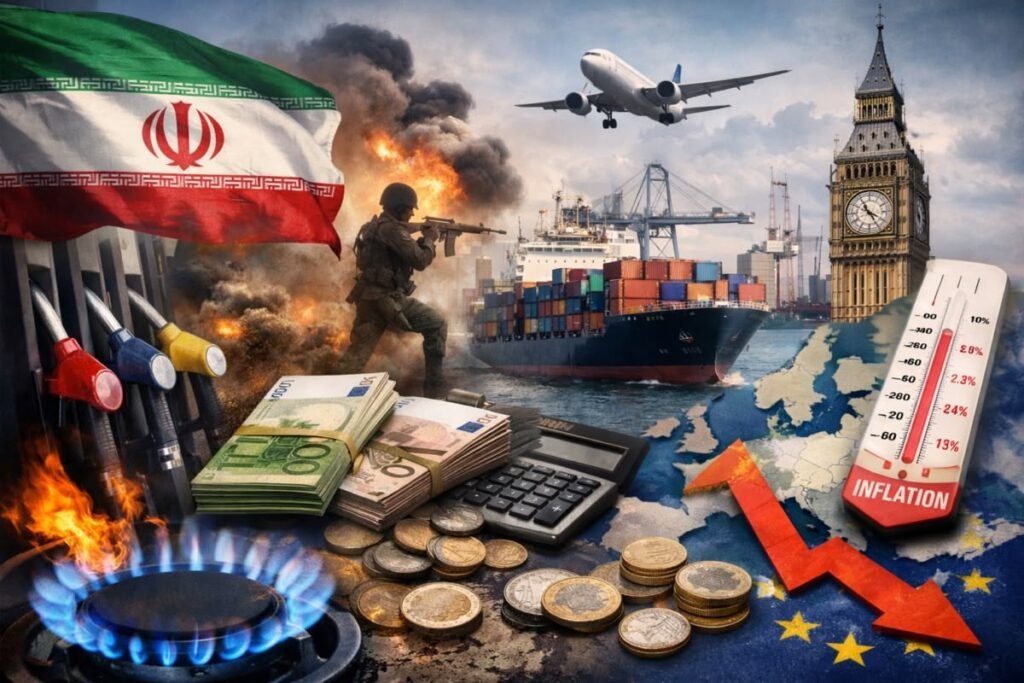
Iran News: Historical Background of USA-Iran Relations
Early Diplomatic Relations
The United States and Iran once maintained relatively friendly political relations. Before the Islamic Revolution of 1979, Iran was one of America’s key allies in the Middle East.
During that period, both countries cooperated on trade, military partnerships, and regional security matters. Consequently, political relations remained stable for many years.
The Islamic Revolution
The political situation changed dramatically after the Islamic Revolution in 1979. Iran established a new Islamic political system under revolutionary leadership.
As a result, relations with the United States became increasingly hostile. Consequently, diplomatic tensions grew rapidly.
The Hostage Crisis
One of the biggest turning points happened when American diplomats were held inside the U.S. Embassy in Tehran during the hostage crisis.
Because of this event, diplomatic trust collapsed, and political hostility intensified. Therefore, official relations between both countries weakened significantly.
Iran News: Why USA-Iran Talks Matter Globally
Diplomatic relations between the United States and Iran influence many areas of international politics. Therefore, governments, businesses, and global organizations monitor developments very carefully.
Iran News: Energy Market Stability
Iran holds major oil and gas reserves. Consequently, sanctions or military tensions can affect global energy prices.
Whenever negotiations improve, oil markets often react positively. However, increased conflict can create market instability.
Middle East Security
The Middle East remains strategically important because of trade routes, energy supplies, and military alliances. Therefore, USA-Iran tensions affect regional security conditions.
Nuclear Concerns
International discussions about Iran’s nuclear program remain central to diplomatic negotiations. Consequently, nuclear diplomacy became one of the most important issues in modern international relations.
Iran News: Iran Nuclear Program and Diplomatic Negotiations
Development of Nuclear Activities
Iran states that its nuclear program supports peaceful scientific and energy purposes. However, several Western governments and Israel expressed concerns regarding possible military applications.
As a result, international pressure increased over time.
Iran News: International Inspections
Global organizations and inspectors became involved in monitoring nuclear facilities and activities.
Therefore, diplomacy focused heavily on transparency and international cooperation.
The 2015 Nuclear Agreement
One of the most important diplomatic achievements was the 2015 nuclear agreement, commonly known as the Joint Comprehensive Plan of Action.
Under this agreement:
- Iran agreed to limit certain nuclear activities
- International inspections increased
- Some economic sanctions were reduced
Consequently, tensions temporarily decreased.
Withdrawal from the Agreement
Later, the United States withdrew from the agreement during a policy shift. Therefore, tensions increased once again.
As sanctions returned, diplomatic progress became more difficult.
Iran News: Economic Sanctions and Their Impact
Why Sanctions Were Imposed
The United States imposed sanctions because of concerns involving nuclear activities, regional influence, and military policies.
Consequently, Iran faced major economic restrictions.
Effects on Iran’s Economy
Sanctions affected several sectors, including:
- Oil exports
- Banking systems
- International trade
- Foreign investment
- Currency stability
As a result, inflation and economic pressure increased inside Iran.
Iran News: Humanitarian Challenges
Economic restrictions also affected ordinary citizens through rising prices and reduced economic opportunities.
Therefore, humanitarian concerns became part of international discussions.
Iran News: Recent USA-Iran Diplomatic Efforts
Indirect Negotiations
Although direct diplomatic communication remained limited during several periods, indirect negotiations continued through mediators and international organizations.
Countries such as Qatar and Oman often supported communication efforts.
International Mediation
European countries also played important roles in diplomatic discussions related to nuclear agreements and sanctions.
Consequently, international diplomacy remained active despite political disagreements.
Focus on De-escalation
Recent diplomatic efforts mainly focused on reducing military tensions and preventing broader regional conflict.
Therefore, communication channels remained important even during periods of hostility.
Regional Politics and USA-Iran Relations
Influence Across the Middle East
Iran maintains strong influence in several Middle Eastern countries through political alliances and regional partnerships.
Because of this influence, USA-Iran relations affect broader regional politics.
Iraq Relations
Both the United States and Iran hold major interests in Iraq. Consequently, political developments there often influence diplomatic relations.
Syria and Regional Security
Iran’s involvement in Syria also became a major issue in international diplomacy.
Meanwhile, the United States continues monitoring regional military activities carefully.
Gulf Region Tensions
The Persian Gulf remains strategically important because of oil transportation and military presence.
Therefore, naval security and regional alliances remain sensitive diplomatic topics.
Iran News: Role of European Countries in Diplomatic Talks
Iran News: European Union Mediation
European countries frequently encouraged peaceful negotiations between Iran and the United States.
Therefore, the European Union often acted as a diplomatic bridge during periods of tension.
Focus on Stability
European governments generally support diplomatic solutions because regional conflict could affect trade, migration, and energy markets.
Diplomatic Coordination
Several international meetings involved coordination between European officials, Iranian negotiators, and American representatives.
Iran News: Importance of the Strait of Hormuz
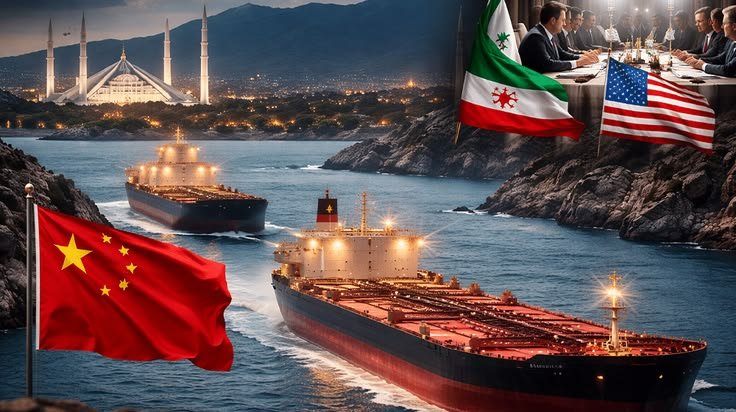
Strategic Shipping Route
The Strait of Hormuz remains one of the world’s most important oil transportation routes.
Large amounts of global oil exports move through this narrow waterway every day.
Security Concerns
Whenever tensions rise near the Gulf region, international markets become concerned about shipping disruptions.
Consequently, naval security became a central part of diplomatic discussions.
Global Economic Impact
Because energy markets depend on stable transportation routes, regional conflict can quickly affect fuel prices worldwide.
Iran’s Diplomatic Strategy
Emphasis on Sovereignty
Iranian leaders frequently emphasize national sovereignty and independence during diplomatic negotiations.
Regional Partnerships
Iran also strengthened relations with countries such as:
- China
- Russia
- Syria
- Iraq
Consequently, Iran developed alternative diplomatic and economic partnerships.
Economic Diplomacy
Iran increasingly focused on trade agreements and regional cooperation to reduce economic pressure caused by sanctions.
USA Foreign Policy Toward Iran
Security Priorities
American foreign policy toward Iran focuses on several major concerns:
- Nuclear activities
- Regional security
- Missile development
- Military influence
- Energy stability
Diplomatic Pressure
The United States uses diplomacy, sanctions, and international partnerships to influence negotiations.
Military Deterrence
At the same time, military presence in the Gulf region remains part of American strategic policy.
Humanitarian Issues and Diplomatic Concerns
Impact on Ordinary People
Political tensions often create economic challenges for ordinary citizens.
Inflation, unemployment, and financial restrictions can affect daily life significantly.
Medical and Trade Concerns
Sanctions sometimes complicated access to medical supplies and international trade systems.
Therefore, humanitarian discussions became increasingly important.
Calls for Peaceful Solutions
Many international organizations continue encouraging peaceful diplomacy instead of military escalation.
Media Coverage and Public Opinion
Global Media Attention
International media organizations closely report on diplomatic talks connected to Iran and the United States.
Therefore, political developments quickly become global headlines.
Different Political Narratives
Different countries often present diplomatic events through different political perspectives.
Consequently, audiences should compare multiple trusted sources for balanced understanding.
Public Expectations
Citizens in many countries hope diplomatic negotiations can reduce tensions and improve economic stability.
Challenges Facing Diplomatic Negotiations
Long-Term Mistrust
One of the biggest obstacles in negotiations is deep political mistrust developed over decades.
Regional Conflicts
Military tensions across the Middle East often complicate diplomatic progress.
Domestic Political Pressure
Leaders in both countries also face internal political pressure from different political groups and public opinion.
Verification Issues
Nuclear inspections and compliance verification remain sensitive diplomatic topics.
Role of International Organizations
United Nations Involvement
The United Nations often encourages peaceful dialogue and diplomatic cooperation regarding Middle East tensions.
International Atomic Energy Agency
The International Atomic Energy Agency monitors nuclear activities and inspection agreements.
Consequently, technical monitoring became central to diplomatic discussions.
Global Diplomatic Forums
Several international conferences and forums continue supporting diplomatic engagement.
Economic Opportunities Through Diplomacy
Potential Trade Growth
If diplomatic relations improve, Iran could expand international trade and economic cooperation.
Foreign Investment Possibilities
Reduced sanctions may increase foreign investment in:
- Energy
- Infrastructure
- Technology
- Manufacturing
Oil Market Changes
Expanded Iranian oil exports could influence global energy prices and supply conditions.
Role of Regional Mediators
Qatar and Oman Diplomacy
Countries like Qatar and Oman frequently support quiet diplomatic communication between Iran and Western governments.
Importance of Neutral Mediation
Neutral mediators can help reduce misunderstandings and maintain communication channels during tense periods.
Regional Stability Efforts
Several Gulf countries now support reducing regional tensions through diplomacy and economic cooperation.
Cyber Security and Diplomatic Relations
Digital Espionage Concerns
Cyber operations and intelligence activities also affect diplomatic trust between countries.
Need for Communication
Cyber security discussions may become increasingly important in future negotiations.
Technology and Security
Modern diplomacy now involves digital infrastructure, cyber defense, and technological competition.
Military Tensions and Diplomacy
Naval Incidents
Military incidents in the Gulf region occasionally increase political tensions.
Importance of Crisis Management
Diplomatic communication helps prevent accidental escalation during military confrontations.
Reducing Conflict Risks
Many experts believe regular dialogue can reduce misunderstandings and improve regional security.
Religious and Cultural Factors
Islamic Identity and Politics
Iran’s political system includes strong Islamic and cultural elements connected to national identity.
Respect for Sovereignty
Iranian leaders frequently emphasize respect for cultural independence and national dignity during diplomatic negotiations.
Cultural Diplomacy
Educational exchanges and cultural communication may also support long-term diplomatic improvement.
Future of USA-Iran Relations
Possibility of Renewed Agreements
Future negotiations may focus on updated nuclear agreements, sanctions relief, and regional stability.
Economic Cooperation Potential
Improved relations could create economic opportunities for both regional and international markets.
Challenges Ahead
However, several obstacles remain, including:
- Political mistrust
- Security concerns
- Regional conflicts
- Domestic political pressure
Therefore, progress may continue slowly.
Importance of Diplomacy in Modern Politics
Peaceful Conflict Resolution
Diplomatic engagement remains one of the best tools for reducing international conflict.
Avoiding Military Escalation
Negotiations can help prevent wider wars and humanitarian crises.
Long-Term Stability
Stable diplomatic relations support economic growth, regional cooperation, and global security.
Public Interest in Diplomatic Developments
Why People Follow Political Talks
Millions of people monitor diplomatic negotiations because international politics directly affects daily life through:
- Fuel prices
- Economic conditions
- Global trade
- Security concerns
Importance of Reliable Information
Accurate reporting helps the public understand political developments more clearly.
Therefore, trusted journalism remains highly important.
Technology and Modern Diplomacy
Digital Communication
Modern diplomatic negotiations increasingly use secure digital communication systems.
Virtual Negotiations
Technology now supports international meetings and rapid diplomatic coordination.
Information Management
Governments carefully manage information during sensitive negotiations to avoid misunderstanding or political escalation.
Global Reactions to Diplomatic Progress
International Optimism
Whenever diplomatic talks improve, global markets and international organizations often respond positively.
Investor Confidence
Reduced tensions can increase business confidence and economic investment.
Energy Market Stability
Peaceful negotiations may also stabilize oil prices and transportation routes.
Conclusion
Iran News continues attracting worldwide attention because USA-Iran diplomatic talks remain deeply important for global security, Middle East stability, and international economic conditions. Although relations between both countries experienced decades of political tension and mistrust, diplomatic efforts continue through negotiations, mediation, and international cooperation.
The nuclear issue, economic sanctions, regional influence, and military security remain central topics in diplomatic discussions. Consequently, progress often moves slowly and carefully. However, many governments and international organizations still believe peaceful communication offers the best path toward long-term stability.
About The Author
